
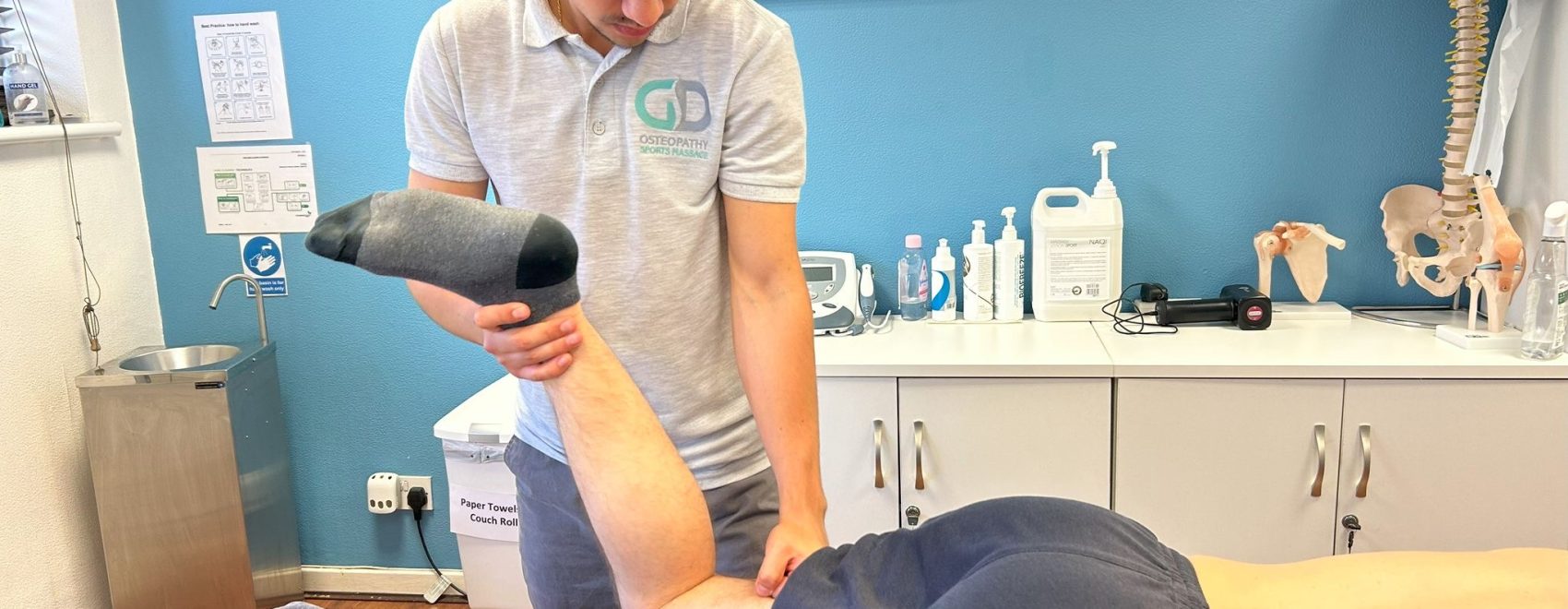
How can I speed up my recovery after a workout?
If you’re a seasoned athlete or have just started hitting the gym regularly, recovery is just as important as the workout itself. Failing to properly recover can lead to muscle fatigue, reduced performance, and even injuries. One of the most effective tools in your recovery arsenal is sports massage.
Not only does it feel incredible, but sports massage has been proven to enhance recovery, reduce muscle soreness, and improve flexibility. We’re delving into the techniques used in sports massage and why GD Osteopathy in Enfield should be your go-to for post-workout care.
Why does recovery matter after a tough workout?
Let’s face it – no one enjoys DOMS. That stiff, achy feeling the morning after an intense workout is caused by microscopic tears in your muscle fibres. While this is part of the muscle-building process, inadequate recovery can prolong soreness and delay your next session.
Recovery strategies such as stretching, hydration, and proper nutrition are essential, but sports massage takes things to the next level. By stimulating blood flow, relaxing muscles, and breaking down adhesions, a sports massage helps your body repair faster, letting you get back to peak performance sooner.
Which sports massage techniques will help ease the pain?
Sports massage is more than just a rub-down. It’s a precise, tailored approach designed to address your specific needs. Here are some of the key techniques therapists use:
- Effleurage
Effleurage involves smooth, sweeping strokes across the muscles. This technique warms up the tissue, increases blood flow, and helps lymphatic drainage, clearing toxins like lactic acid from your muscles. - Petrissage
Think of kneading bread dough—petrissage targets deeper layers of muscle tissue, loosening tension and improving elasticity. It’s ideal for areas prone to tightness, like quads, hamstrings, and shoulders. - Trigger point therapy
Knots, or “trigger points,” are common after intense workouts. By applying direct pressure to these areas, therapists can release tension, restore muscle function, and reduce pain. - Friction massage
This technique uses deep, circular motions to break down scar tissue and adhesions. It’s particularly beneficial for treating chronic muscle tightness or old injuries. - Myofascial release
The fascia—connective tissue surrounding your muscles—can become stiff after repeated strain. Myofascial release stretches and relaxes this tissue, improving mobility and reducing discomfort.
What are the benefits of sports massage?
Now that you know the techniques, let’s talk about why you should book your next massage:
- Reduced muscle soreness: By flushing out lactic acid and reducing inflammation, sports massage minimises the severity of DOMS, helping you feel fresher, faster.
- Improved flexibility: Tight muscles can restrict your range of motion. Massage stretches and relaxes these tissues, keeping you nimble and ready for action.
- Injury prevention: Regular sports massages can identify and address minor issues before they become serious injuries.
- Stress relief: Intense workouts can strain not only your body but also your mind. Massage therapy reduces cortisol levels, helping you relax and recover mentally.
- Faster recovery: Whether you’re training for a marathon or hitting the weights, quicker recovery means more consistent progress.
Why choose GD Osteopathy for sports massage?
Our skilled team understands the physical demands of intense training and tailors treatments to your individual needs.
Here’s what sets GD Osteopathy apart:
- Experienced practitioners: With extensive training in sports massage and musculoskeletal health, our therapists are equipped to handle everything from minor niggles to chronic tightness.
- Personalised care: No two bodies are the same. We’ll take the time to assess your specific requirements, ensuring the treatment targets your problem areas.
- Holistic approach: Combining sports massage with osteopathy, we offer a comprehensive approach to recovery, addressing both muscular and skeletal imbalances.
- Convenient location: Our clinic in Enfield is easily accessible, making it simple to incorporate recovery sessions into your routine.
When should you book a sports massage?
Timing is everything when it comes to sports massage. Here’s a quick guide:
- After intense workouts: Within 24–48 hours of a tough session is ideal. Your muscles will still be in the acute recovery phase, making massage particularly effective.
- Pre-event: A lighter massage before a competition can loosen tight muscles, improve circulation, and enhance performance.
- As part of maintenance: Even if you’re not training for a specific event, regular sports massage can prevent injuries and keep you in peak condition.
Pro tips for maximising the benefits
To get the most out of your sports massage, follow these simple tips:
- Stay hydrated: Massage stimulates blood flow and lymphatic drainage, so drink plenty of water to help flush out toxins.
- Stretch it out: Incorporate dynamic stretching post-massage to maintain flexibility.
- Rest and refuel: Pair your massage with proper nutrition and rest to maximise recovery.
By incorporating sports massage into your fitness routine, you’ll speed up muscle repair, reduce soreness, and protect against injuries. And with GD Osteopathy, you’ll benefit from expert care tailored to your specific needs. Don’t let muscle soreness slow you down. Book a session at GD Osteopathy today and give your recovery the boost it deserves. Your body will thank you.
