
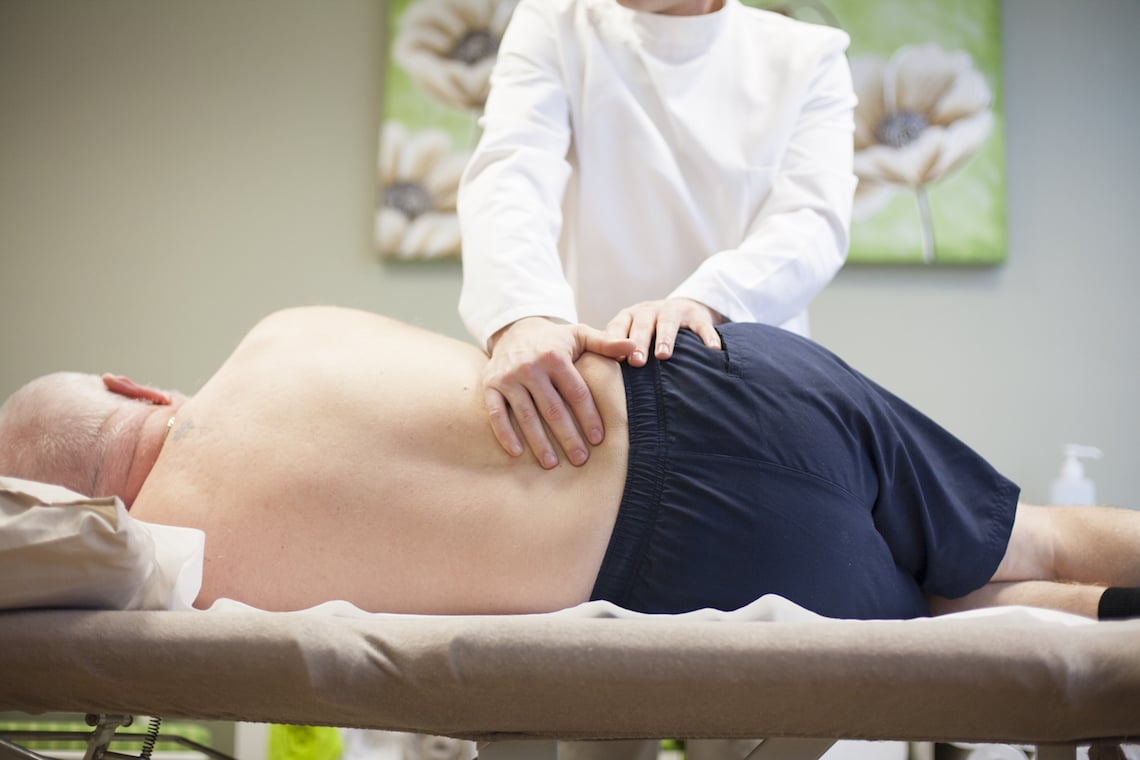
Sciatica Treatment in Enfield
Sciatica can cause pain, tingling, numbness, or weakness that travels from the lower back into the buttock, leg, or foot. For some people symptoms are mild and intermittent, while for others they can significantly affect walking, sitting, sleeping, driving, exercise, and daily activities.
Treating sciatica at GD Osteopathy & Sports Massage
At GD Osteopathy & Sports Massage in Enfield, we provide personalised sciatica treatment using a combination of osteopathy, physiotherapy, rehabilitation exercise, sports massage, dry needling, and hands-on therapy where appropriate.
Our practitioners aim to identify the underlying cause of sciatic symptoms and create an individual treatment plan designed around your symptoms, lifestyle, movement patterns, and recovery goals.
What is sciatica?
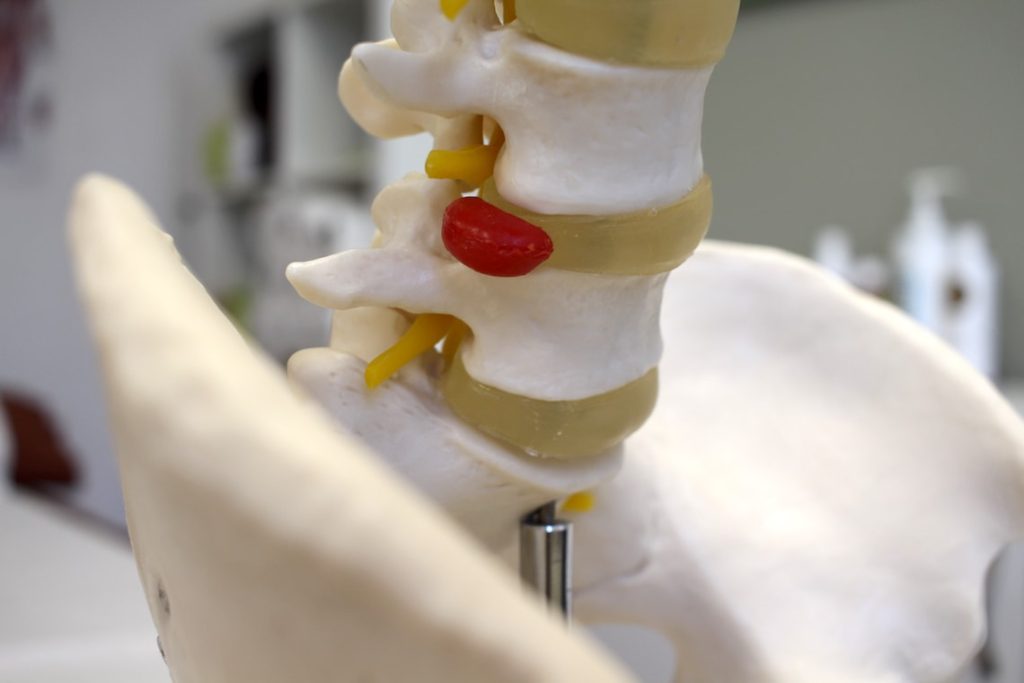
Sciatica describes irritation or sensitivity involving the sciatic nerve, which runs from the lower back through the buttock and down the leg.
Symptoms often affect one side and may include pain travelling into the leg, tingling or pins and needles, numbness, burning or shooting pain, weakness in the leg or foot, pain when sitting, and difficulty bending or walking comfortably.
Sciatica is not a diagnosis itself, but rather a description of symptoms that may arise from irritation of structures in the lower back, pelvis, or surrounding tissues.
What are the common causes of sciatica?
Sciatic symptoms can develop for several different reasons.
Common causes may include disc irritation or disc bulges, joint irritation in the lower back, muscular tension around the pelvis or buttock, reduced spinal mobility, postural strain, prolonged sitting or driving, heavy lifting, sports injuries, and pregnancy-related pelvic and lower back changes.
In some cases symptoms develop suddenly after lifting or bending, while others gradually worsen over time due to repetitive strain, inactivity, or prolonged postural stress.
When should you seek treatment for sciatica?
You should consider professional assessment if pain is travelling into the leg, symptoms are worsening, tingling or numbness is present, walking or sitting becomes difficult, sleep is affected, or you are struggling with work, exercise, or normal daily activities.
Early assessment may help reduce irritation and identify contributing factors before symptoms become more persistent.
How do we assess sciatica?
Your first appointment will include a detailed discussion about your symptoms, medical history, activity levels, lifestyle, and any previous episodes of back pain or sciatica.
Assessment may involve examining lower back movement, hip and pelvic mobility, nerve tension, muscle strength, reflexes and sensation where appropriate, and walking and functional movement patterns.
Because sciatic symptoms can have different causes, assessment focuses on understanding which structures may be contributing to irritation of the nerve.
How do we treat sciatica at GD Osteopathy & Sports Massage?
Treatment depends on the cause of symptoms, how long they have been present, the severity of irritation, and your individual recovery goals.
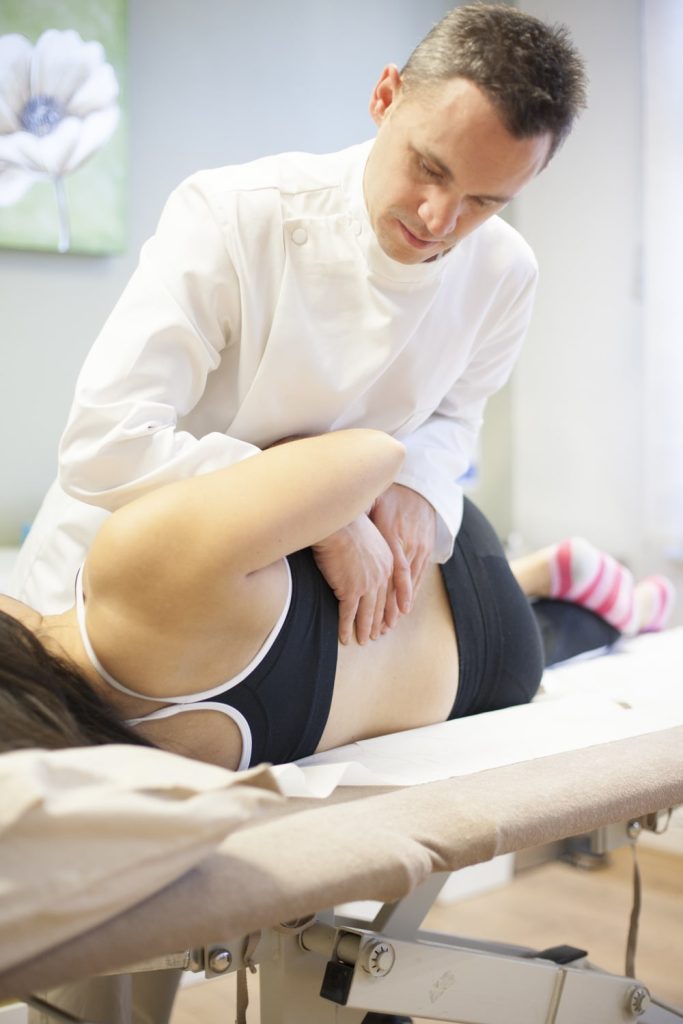
Our osteopaths in Enfield use hands-on treatment techniques to help improve movement, reduce stiffness, relieve muscular tension, and support recovery from sciatic symptoms.
Our physiotherapists in Enfield focus on rehabilitation, strengthening, movement control, and improving long-term function through targeted exercise programmes.
Sports massage therapy may help reduce muscular tightness around the lower back, glutes, and hips, while dry needling treatment may be used to help reduce persistent muscular tension contributing to symptoms.

For some patients, treatment may involve a combination of osteopathy, physiotherapy, rehabilitation exercise, sports massage, dry needling, and movement-based therapy depending on the cause of symptoms and individual recovery goals.
Treatment may also include joint mobilisation, soft tissue therapy, mobility work, strengthening programmes, nerve mobility exercises, postural advice, movement retraining, and return-to-gym guidance.
Our aim is not only to reduce symptoms, but also to improve movement confidence, function, and long-term resilience.
Can sciatica improve without surgery?
Yes. Many cases of sciatica improve with conservative management, movement, rehabilitation, and time.
Remaining completely inactive for prolonged periods may contribute to stiffness, weakness, and reduced confidence with movement. Appropriate rehabilitation and gradual return to activity are often important parts of recovery.
However, severe or progressive neurological symptoms should always be medically assessed.
What exercises help sciatica?
The most appropriate exercises depend on the underlying cause of symptoms and stage of recovery.
Treatment may involve exercises designed to improve spinal mobility, reduce nerve sensitivity, improve hip movement, strengthen the core and glutes, improve posture and movement patterns, and support return to exercise and normal activity.
In many cases, gradual movement and rehabilitation are beneficial parts of recovery.
Frequently asked questions about sciatica
Can osteopathy help sciatica?
Many people find osteopathy helpful for improving movement, reducing stiffness, and relieving muscular tension associated with sciatic symptoms.
Can physiotherapy help sciatica?
Yes. Rehabilitation exercise and movement-based treatment are often important for improving long-term function and reducing recurrence.
How long does sciatica last?
Symptoms vary significantly between individuals. Some episodes settle within weeks, while others may persist longer depending on the severity and contributing factors.
Is walking good for sciatica?
Gentle walking is often helpful for many people, although activity may need to be modified during acute flare-ups.
Can sciatica cause foot numbness?
Yes. Irritation involving the sciatic nerve may sometimes lead to numbness, tingling, or weakness into the foot or lower leg.
When should I seek urgent medical attention?
You should seek urgent medical advice if you experience loss of bladder or bowel control, significant leg weakness, progressive numbness, numbness around the groin or saddle area, or severe worsening neurological symptoms.
Sciatica treatment clinic in Enfield
GD Osteopathy & Sports Massage provides sciatica treatment for patients across Enfield, Winchmore Hill, Southgate, Palmers Green, Cockfosters, Edmonton, and surrounding North London areas.
We regularly help patients experiencing lower back and leg pain, disc-related symptoms, nerve irritation, persistent stiffness and mobility problems, gym and lifting injuries, postural strain, and recurrent sciatica episodes.
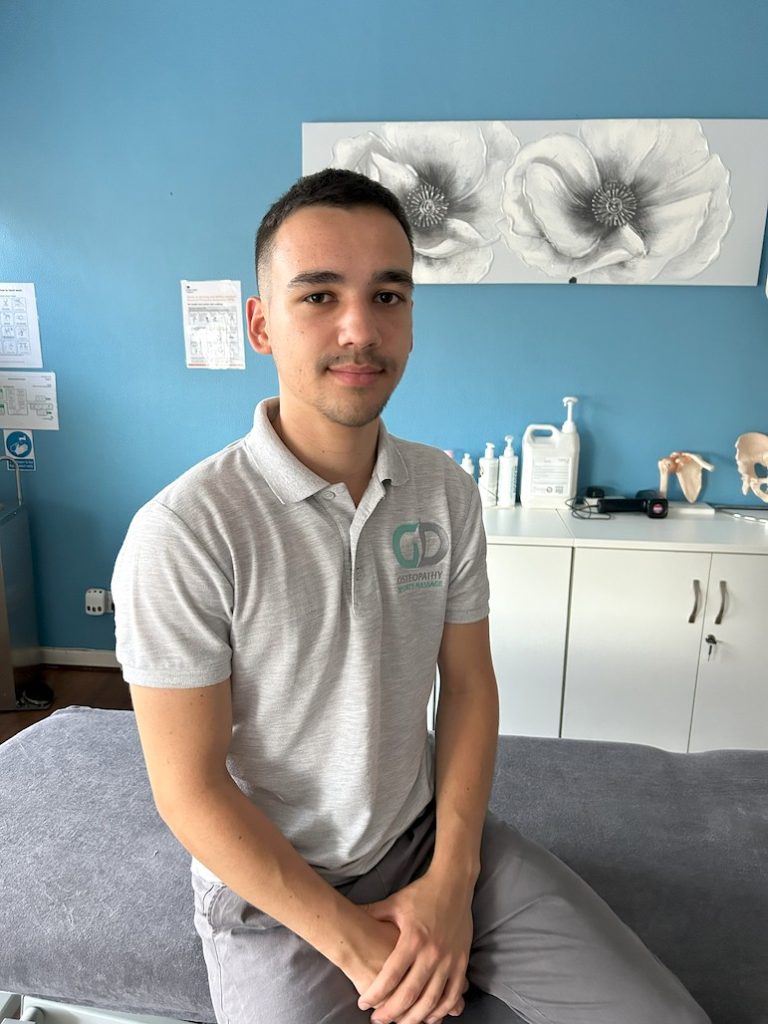
Meet the Team.





Book a sciatica assessment in Enfield
If sciatic symptoms are affecting your sleep, mobility, work, exercise, or daily activities, early assessment and treatment may help improve recovery and reduce the likelihood of ongoing irritation.
Our team at GD Osteopathy & Sports Massage provides personalised treatment plans designed around your symptoms, movement, lifestyle, and recovery goals.
Contact us to get started.
We’d love to hear from you. Drop us a line and we’ll get back to you as soon as we can!
GD Osteopathy & Sports Massage
73 Southbury Road, Enfield, EN1 1PJ.
Phone: 0800 612 6212