

Shoulder Pain Treatment in Enfield
Shoulder pain can make everyday activities such as lifting, reaching, driving, sleeping, exercising, or working uncomfortable and frustrating. Symptoms may begin suddenly after injury or develop gradually over time due to posture, repetitive strain, gym training, sport, or tendon irritation.
Treating shoulder pain at GD Osteopathy & Sports Massage
At GD Osteopathy & Sports Massage in Enfield, we provide personalised shoulder pain treatment using a combination of osteopathy, physiotherapy, sports massage, dry needling, rehabilitation exercise, and shockwave therapy where appropriate.
Rather than focusing only on the site of pain, our practitioners assess the underlying causes contributing to your symptoms and create an individual treatment plan designed around your lifestyle, activity levels, and recovery goals.
What are the common causes of shoulder pain?
The shoulder is one of the most mobile joints in the body, which also makes it more vulnerable to strain, instability, and overuse injuries.
Shoulder pain may develop from repetitive lifting, overhead activity, gym and weight training injuries, sports injuries, poor posture, tendon irritation, rotator cuff problems, shoulder impingement, frozen shoulder, muscle tension around the neck and upper back, joint stiffness, or trauma and falls.
Some people notice pain when lifting the arm overhead, reaching behind the back, lying on the shoulder at night, or performing exercises such as pressing or throwing movements.
When should you seek treatment for shoulder pain?
You should consider professional assessment if your shoulder pain is not improving, movement feels restricted, pain affects sleep, symptoms keep returning, or you are struggling with gym training, work, or sport.
Early treatment may help improve recovery, reduce irritation, and prevent longer-term stiffness and compensation patterns developing.
How do we assess shoulder pain?
Your first appointment will include a detailed discussion about your symptoms, activity levels, work demands, exercise habits, and medical history.
We may assess posture, shoulder mobility, strength, stability, neck and upper back movement, rotator cuff function, and functional movement patterns where appropriate.
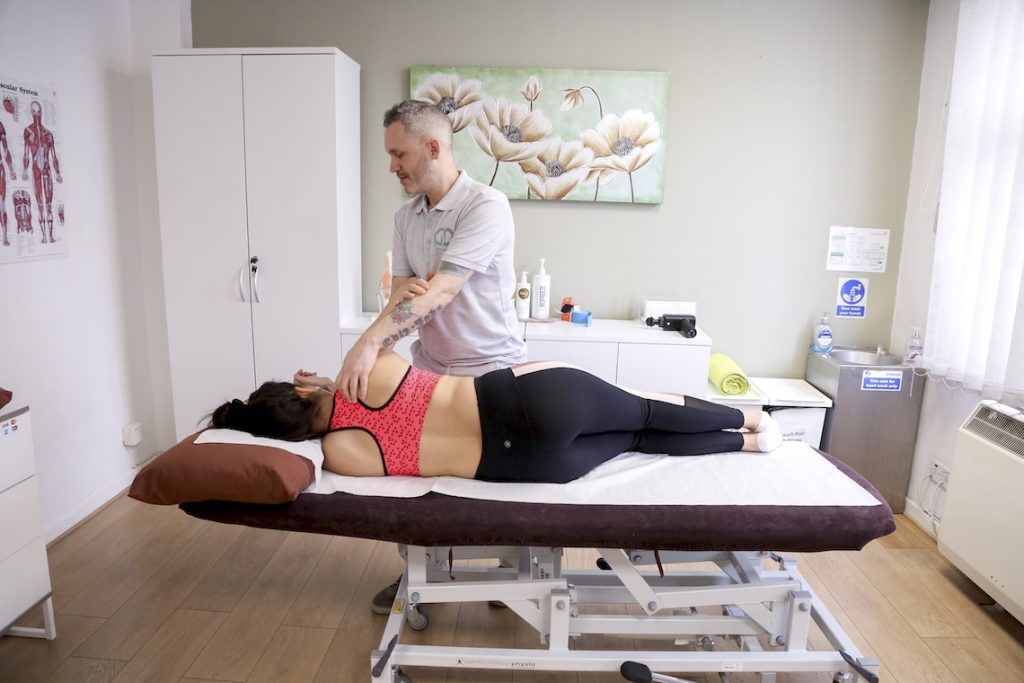
Because shoulder pain is often influenced by the neck, upper back, posture, and movement mechanics, assessment usually involves looking at how the whole body moves rather than focusing only on the shoulder itself.
When should you seek treatment for shoulder pain?
You should consider professional assessment if your shoulder pain is not improving, movement feels restricted, pain affects sleep, symptoms keep returning, or you are struggling with gym training, work, or sport.
Early treatment may help improve recovery, reduce irritation, and prevent longer-term stiffness and compensation patterns developing.
Symptoms may include:
- Sharp pain with movement
- Aching around the shoulder joint
- Weakness
- Restricted movement
- Clicking or catching sensations
- Pain radiating into the upper arm or neck
- Difficulty sleeping comfortably
How do we assess shoulder pain?
Your first appointment will include a detailed discussion about your symptoms, activity levels, work demands, exercise habits, and medical history.
We may assess posture, shoulder mobility, strength, stability, neck and upper back movement, rotator cuff function, and functional movement patterns where appropriate.
Because shoulder pain is often influenced by the neck, upper back, posture, and movement mechanics, assessment usually involves looking at how the whole body moves rather than focusing only on the shoulder itself.

How do we treat shoulder pain at GD Osteopathy & Sports Massage?
Treatment depends on the underlying cause of your symptoms, how long the pain has been present, your activity levels, and your recovery goals.
Our osteopaths in Enfield use hands-on treatment to help improve joint mobility, reduce stiffness, relieve muscular tension, and support shoulder movement.
Our physiotherapists in Enfield focus on rehabilitation, strength, movement control, and improving long-term shoulder function through targeted exercise programmes.
Sports massage therapy may help reduce muscular tension around the shoulder, neck, and upper back, particularly in people affected by postural strain, gym training, or repetitive activity.
Dry needling treatment may be used to help reduce muscular trigger points and persistent tightness contributing to restricted movement or pain.
For some tendon-related shoulder problems, particularly longer-standing cases involving irritation of the rotator cuff tendons, shockwave therapy may also be recommended.
Treatment may involve a combination of hands-on therapy, mobility work, rehabilitation exercise, strengthening programmes, postural advice, and return-to-gym guidance depending on the cause of symptoms and your recovery goals.
Our aim is not only to reduce pain but also to improve movement quality, restore confidence, and help reduce the likelihood of symptoms returning.
What shoulder conditions do we commonly treat?
We regularly help patients with rotator cuff pain, shoulder impingement, frozen shoulder, tendon irritation, gym and training injuries, postural shoulder pain, muscle strain, shoulder stiffness, neck and shoulder tension, and sports-related shoulder injuries.
Some shoulder problems develop suddenly after injury, while others gradually build over time due to repetitive strain, posture, or reduced strength and mobility.
Frequently asked questions about shoulder pain
Can osteopathy help shoulder pain?
Many people find osteopathy helpful for improving shoulder mobility, reducing stiffness, and relieving muscular tension associated with shoulder pain.
Can shoulder pain cause neck pain or arm pain?
Yes. Shoulder pain can sometimes radiate into the neck, upper back, or arm, while neck or upper back problems may also contribute to shoulder pain.
What exercises help shoulder pain?
The most appropriate exercises depend on the cause of symptoms, but treatment often includes mobility, strengthening, posture, and rehabilitation exercises to improve shoulder movement and stability.
Can physiotherapy help rotator cuff injuries?
Yes. Rehabilitation and strengthening exercises are often important parts of recovery for rotator cuff-related pain and shoulder instability.
Why does my shoulder hurt at night?
Night pain may occur due to irritation of shoulder structures, inflammation, positioning, or compression when lying on the affected side.
Is shoulder clicking normal?
Some clicking can occur naturally. However, painful clicking, catching, or instability should be assessed if symptoms persist.
How many treatments will I need?
This depends on the nature and duration of your symptoms, activity levels, and individual recovery goals.
Should I stop going to the gym with shoulder pain?
This depends on the severity and cause of symptoms. In many cases, exercises can be modified rather than stopped completely.
Shoulder pain clinic in Enfield
GD Osteopathy & Sports Massage provides shoulder pain treatment for patients across Enfield, Winchmore Hill, Southgate, Palmers Green, Cockfosters, Edmonton, and surrounding North London areas.
We regularly help patients experiencing gym-related shoulder pain, sports injuries, rotator cuff irritation, postural shoulder tension, shoulder stiffness, work-related strain, and persistent shoulder pain affecting daily activities.
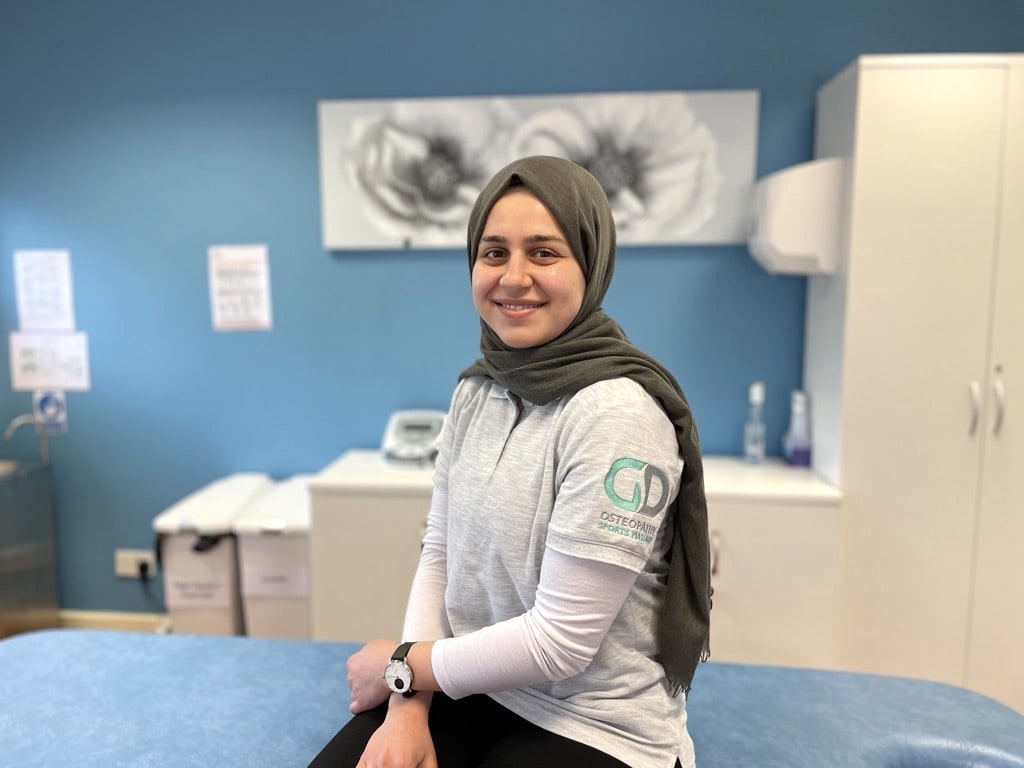
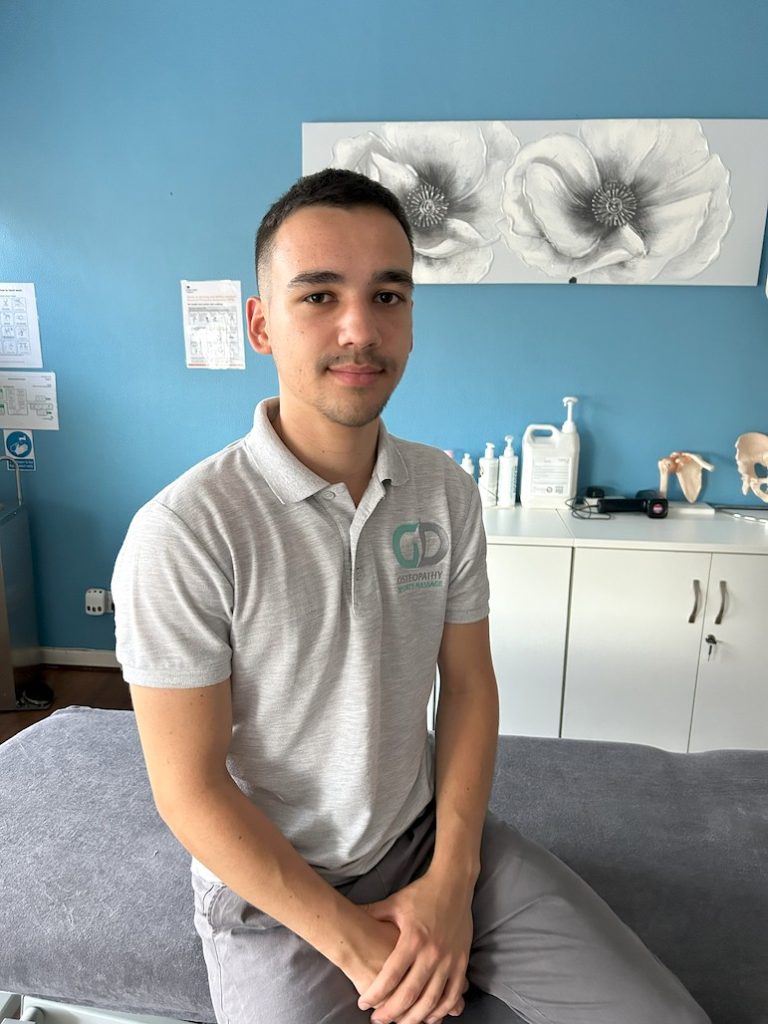
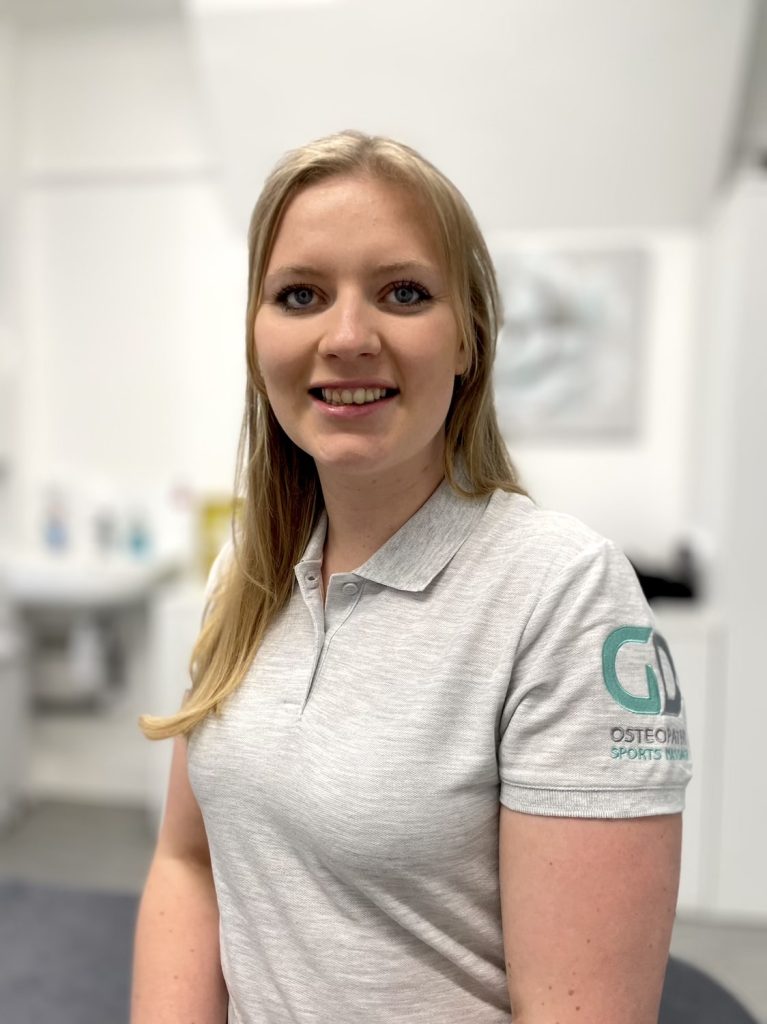
Meet the Team.




Book a shoulder pain assessment in Enfield
If
If shoulder pain is affecting your sleep, work, exercise, sport, or day-to-day activities, early assessment and treatment may help improve recovery and prevent symptoms becoming more persistent.
Our team at GD Osteopathy & Sports Massage provides personalised treatment plans designed around your symptoms, movement, goals, and lifestyle.
Contact us to get started.
We’d love to hear from you. Drop us a line and we’ll get back to you as soon as we can!
GD Osteopathy & Sports Massage
73 Southbury Road, Enfield, EN1 1PJ.
Phone: 0800 612 6212