
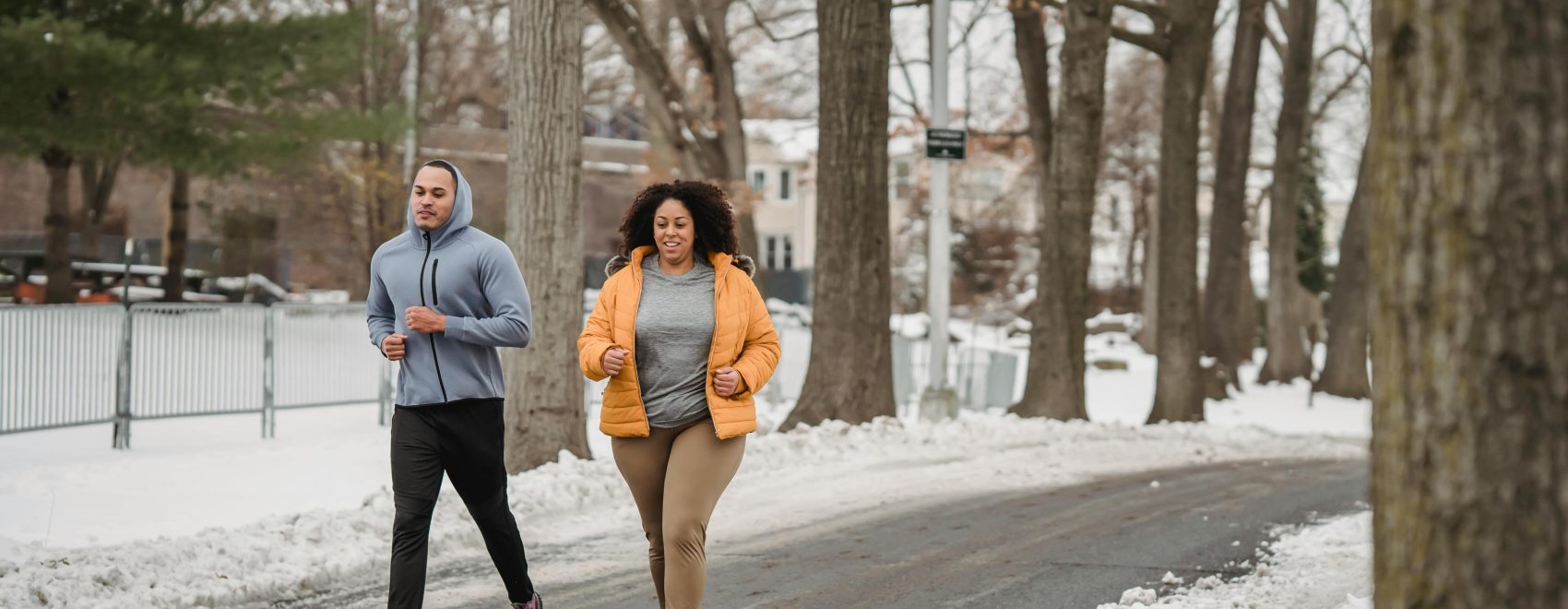
Winter can make joint stiffness and aches feel more noticeable, particularly if you have arthritis, an old injury or are moving less than usual. Keeping gently active, staying warm and maintaining your normal routine can help. If joint pain is persistent, worsening, or affecting your everyday activities, an osteopathic assessment can help identify potential contributors and determine whether treatment is appropriate.
As temperatures fall and the days grow shorter, many of us have noticed an increase in joint stiffness and general aches, especially first thing in the morning or after sitting for long periods. Sound familiar?
At GD Osteopathy in Enfield, we regularly see an uptick in clients during the colder months, struggling with joint discomfort that wasn’t bothering them during summer. So why does this happen, and what can you do about it?
Why do my joints hurt more in winter?
Cold weather can make joints feel stiffer and more uncomfortable, particularly if you already have arthritis or ongoing joint problems. Lower temperatures may also mean you move less, which can contribute to stiffness and discomfort.
Keeping warm and maintaining gentle, regular movement can help. If joint pain persists, keeps returning or starts affecting your sleep or everyday activities, it may be worth having your symptoms assessed.
There’s no single reason why cold weather aggravates joint pain. It’s a combination of factors:
- Reduced circulation: Cold temperatures can cause blood vessels to constrict, reducing blood flow to the joints and muscles, making them feel stiff or painful.
- Barometric pressure changes: Fluctuations in air pressure can cause expansion and contraction in joint tissues, especially in those with arthritis or past injuries, leading to a dull, nagging discomfort.
- Less movement: It’s natural to move less in winter but inactivity contributes to joint stiffness and muscle tightness, particularly around the knees, hips, and lower back.
- People more at risk: Those with arthritis, older adults, or desk workers may feel the effects more strongly.
There is ongoing research into how weather affects joint and muscle pain. A study published in the International Journal of Neuroscience explored how cold and damp conditions may increase pain perception in individuals with chronic joint issues.
Can osteopathy help with winter joint pain?
Osteopathy may help if winter joint pain is linked to joint stiffness, muscle tension or reduced movement. Treatment is tailored to the individual and may include gentle mobilisation, soft-tissue techniques, advice, and exercises.
Osteopathy is a hands-on, whole-body approach to diagnosing and treating musculoskeletal problems. At GD Osteopathy, we use a range of techniques to ease stiffness, reduce inflammation, and restore natural joint movement.
Osteopathic treatment during the colder months may include:
- Gentle mobilisation to improve circulation and joint flexibility
- Soft tissue massage to relax tight muscles and reduce tension
- Postural advice to reduce strain while working from home or during daily activities
- Tailored exercises to maintain mobility and reduce recurrence of pain
Every treatment plan is personalised, helping your body adapt to seasonal changes and cope better with the added stress winter can bring.
What can I do to ease winter joint pain?
You can often ease winter joint pain by keeping joints moving, staying warm and maintaining regular, gentle activity. Short walks, mobility exercises and low-impact exercise can help reduce stiffness, while pacing activities can prevent symptoms from flaring up.
If joint pain is affecting your everyday activities, sleep or ability to stay active, an osteopathic assessment can help identify contributing movement or musculoskeletal problems and guide you towards appropriate treatment and self-management.
Great news! You don’t have to suffer through winter joint pain. Here are a few small daily habits that can make a big difference:
- Keep moving: Light daily movement, such as walking indoors, stretching, or using resistance bands, helps keep joints mobile. Even a few minutes each hour can help.
- Wrap up warm: Use layers to keep vulnerable areas like your knees, lower back, and neck protected. Thermal clothing can work wonders when temperatures drop.
- Stay hydrated: It’s easy to forget to drink enough water in cold weather, but hydration is key for joint health and tissue repair.
- Eat joint-friendly foods: Omega-3 fatty acids (found in oily fish like salmon), leafy greens, and foods rich in antioxidants may help reduce inflammation.
- Check your posture: When you’re driving, working at a desk, or relaxing on the sofa, maintaining good posture reduces strain on joints and muscles.
When should I see someone about winter joint pain?
Consider speaking to a healthcare professional if winter joint pain is persistent, keeps returning or is starting to affect your sleep, work, exercise or normal daily activities. You should also seek advice if you are unsure what is causing the pain or if your usual self-care measures are not helping.
An osteopath can assess your symptoms and movement, explain what may be contributing to your pain and advise whether osteopathic treatment or another form of care is appropriate.
Occasional stiffness is normal in winter, but if your joint pain is persistent, worsening, or interfering with your daily routine, it may be time to seek professional help.
Signs to look out for:
- Pain that doesn’t improve with rest or gentle movement
- Stiffness that lasts longer than 30 minutes after waking
- Swelling, redness, or warmth around a joint
- Restricted movement or weakness
Our team at GD Osteopathy in Enfield will carry out a thorough assessment and create a treatment plan that suits your individual needs. The earlier you seek support, the better the outcome, especially if you’ve been dealing with pain for some time.
Is winter joint pain better treated with osteopathy, exercise or rest?
For most everyday stiffness, gentle movement is a useful starting point. If pain persists, keeps returning or is limiting your movement, a professional assessment may be more appropriate than simply resting and waiting for it to settle.
- Gentle movement: useful for everyday stiffness and maintaining mobility.
- Osteopathy: worth considering when pain or restricted movement persists or affects daily life.
- Medical assessment: appropriate when symptoms are concerning, worsening or accompanied by significant swelling, warmth, weakness or other changes.
Frequently Asked Questions
Can cold weather make joint pain worse?
Some people notice more stiffness or discomfort during colder weather, although the exact relationship between weather and joint pain is not fully understood. Reduced activity during winter may also contribute to stiffness. If your pain is persistent or affecting daily activities, it is worth getting individual advice.
Is winter joint pain a sign of arthritis?
Not necessarily. Cold weather can make existing stiffness or aches more noticeable, but joint pain can have many causes. Arthritis is one possibility, particularly if you have ongoing stiffness or swelling, but an assessment is needed to understand what may be contributing to your symptoms.
Can osteopathy help with arthritis-related joint pain?
Osteopathy may help some people manage symptoms associated with musculoskeletal problems, including stiffness and restricted movement. Treatment should be adapted to your individual circumstances, particularly if you have a longstanding condition or other health concerns.
Should I see an osteopath for winter joint pain?
Consider an assessment if joint pain is persistent, worsening or interfering with everyday activities such as walking, working or sleeping. An osteopath can assess your symptoms and discuss whether osteopathic treatment is appropriate for you.
When should I seek medical help for joint pain?
Seek appropriate medical advice if you develop significant swelling, redness or warmth around a joint, marked weakness or restricted movement, or symptoms that are persistent or worsening. These symptoms should not simply be assumed to be caused by cold weather.
Book your winter osteopathy appointment today
If you’re feeling the cold in your joints this winter, don’t ignore it. Osteopathy offers a safe, natural, and effective way to manage discomfort and keep your body moving well.
Visit GD Osteopathy in Enfield to learn more or to book your appointment today. We’re here to help you feel better, whatever the weather.
