
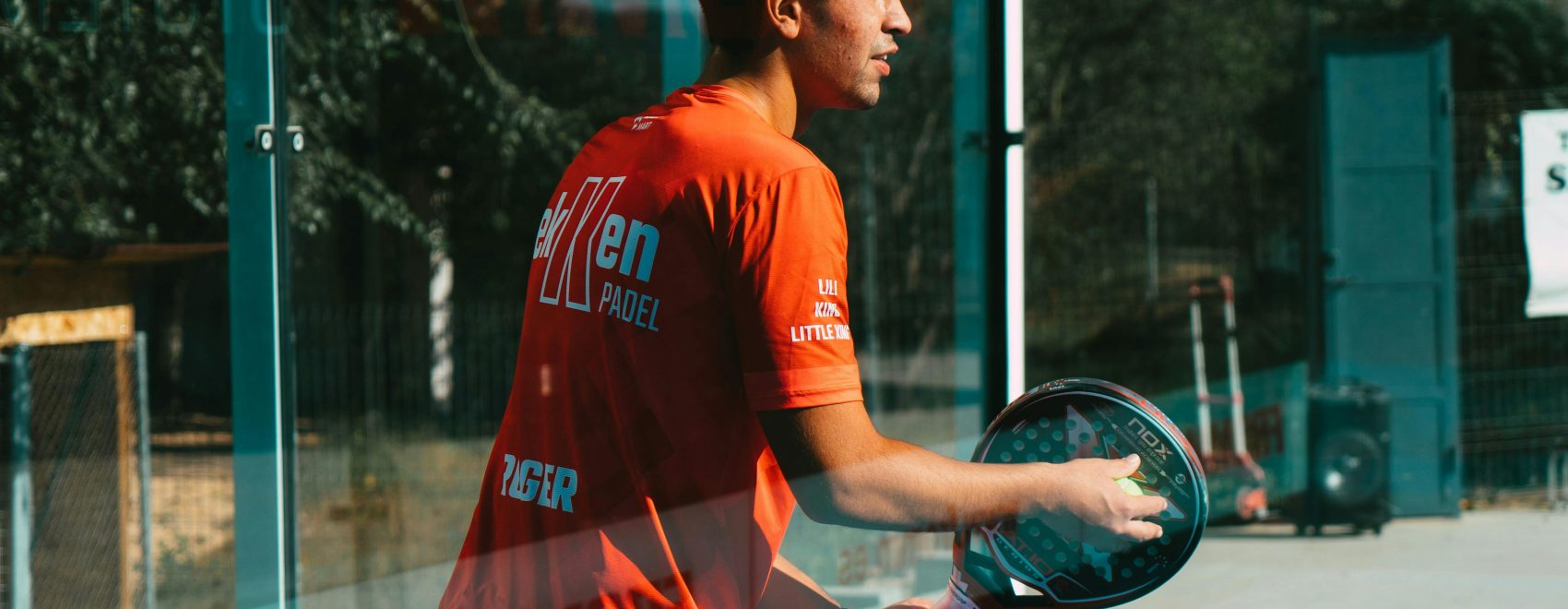
Padel tennis is booming across the UK, and Enfield is no exception. With its fast rallies, quick reactions, and fun social atmosphere, people of all ages are picking up a racket. But while padel is easier to learn than traditional tennis, its repetitive movements and rapid pace can take a toll on the body. At GD Osteopathy, we specialise in helping padel players relieve pain, restore mobility, and stay at the top of their game.
Can osteopathy help padel injuries?
Yes. Osteopathy can help assess and treat many of the common aches and injuries associated with padel, including tennis elbow, shoulder pain, lower back pain, calf strains and knee problems. Treatment focuses on reducing pain, restoring movement and helping you return to the court safely while reducing the risk of the injury recurring.
The rise of padel tennis in Enfield
Padel has exploded in popularity in recent years, blending the tactical play of tennis with the fast-paced dynamism of squash. Courts are springing up across London, with new players keen to experience the sport’s addictive rallies and social appeal.
But as more locals step onto the court, many are also realising that this exciting sport demands a lot from the body, and particularly the shoulders, wrists, and lower back.
What injuries are most common in padel?
The most common padel injuries affect the shoulder, elbow, lower back, knees and calves due to the sport’s fast-paced movements, repeated overhead shots and frequent changes of direction. Most are caused by overuse or sudden twisting movements rather than direct impact.
Why does padel cause shoulder and elbow pain?
Padel places repeated strain on the shoulder and elbow through serving, smashing and powerful forehand and backhand shots. Without adequate strength, mobility or recovery, these repetitive movements can irritate the muscles and tendons around the joints, leading to pain and stiffness. Some of the most common complaints we see include:
- Shoulder tension from overhead smashes and serving.
- Wrist pain caused by the reflex volleys and quick changes of direction.
- Lower back tightness from constant twisting, lunging, and sudden bursts of movement.
While these issues are common, they shouldn’t be ignored. Addressing them early can prevent niggles from turning into more serious injuries that keep you off the court.
Conditions may include:
- Tendinopathy – irritation or damage to a tendon caused by repeated loading rather than a sudden injury.
- Rotator cuff – the group of muscles that stabilise and move your shoulder.
- Lateral epicondylitis (tennis elbow) – pain on the outside of the elbow caused by irritation of the forearm tendons.
Should I be worried about a padel injury?
Most padel injuries improve with appropriate treatment and rehabilitation. However, if pain is severe, swelling develops quickly, you cannot bear weight, or symptoms continue for more than a week or two despite rest, it’s worth arranging an assessment to identify the underlying cause.
Can osteopathy help padel injuries?
Yes. Osteopathy can help assess and treat many common padel injuries by reducing pain, improving joint mobility and supporting the body’s natural recovery. Treatment is often combined with rehabilitation exercises and practical advice to help you return to playing safely and reduce the risk of recurring injuries.
Sports osteopathy is all about keeping your body moving at its best. For padel players, osteopathy can:
- Improve joint mobility and muscular balance.
- Relieve tension and discomfort caused by repetitive strain.
- Aid recovery after long matches or back-to-back sessions.
- Provide preventative care to stop minor aches from becoming lasting injuries.
Osteopathy allows you to enjoy the sport you love without being held back by pain or stiffness by restoring balance and function to the body.
Why choose GD Osteopathy in Enfield
At GD Osteopathy, we understand the demands that sport places on the body. Our Enfield clinic works with both casual and competitive players, tailoring treatment to individual needs. Whether you’re battling post-match soreness, recovering from a recurring injury, or simply want to improve your mobility, we’ll create a plan that supports your health and performance.
How can you prevent padel injuries?
You can reduce your risk of injury by warming up properly, improving your strength and flexibility, gradually increasing your playing time, and allowing enough time to recover between matches. Addressing minor aches early can also help prevent them from becoming long-term problems.
Prevention Checklist
Here are some simple steps to keep your body match-ready:
- Warm up properly with mobility drills before every session.
- Improve shoulder and hip mobility.
- Stretch and cool down to aid recovery after play.
- Build leg and core strength.
- Listen to your body and don’t push through pain, as it can lead to injury.
- Increase playing time gradually.
- Replace worn footwear.
- Don’t ignore recurring aches.
- Book an osteopathy session if discomfort lingers beyond a couple of days.
When should you see an osteopath after a padel injury?
If pain persists for more than a few days, keeps returning when you play, limits your movement or affects your performance, it’s worth having it assessed. Early treatment can help identify the cause of the problem and support a quicker, more effective recovery before the injury becomes more persistent.
Frequently Asked Questions
Can beginners get padel injuries?
Yes. Beginners often sustain injuries as their bodies adapt to new movements, repeated overhead shots, and quick changes of direction. Good technique, gradual progression and early treatment for persistent pain can help prevent longer-term problems.
What is the most common padel injury?
Elbow, shoulder and calf injuries are among the most common because padel combines repetitive racket movements with frequent acceleration, stopping and twisting.
Should I stop playing padel if I have shoulder pain?
Not always. Mild soreness may settle with rest and modified activity, but pain that persists, affects your swing or worsens over several matches should be assessed before continuing.
How long does it take to recover from a padel injury?
Recovery depends on the type and severity of the injury. Minor muscle strains may improve within a few weeks, while tendon problems often require longer treatment alongside appropriate rehabilitation.
Can osteopathy help prevent recurring sports injuries?
Yes. Alongside treatment, osteopaths assess movement patterns, mobility and strength to identify factors that may contribute to repeated injuries and provide exercises to reduce future risk.
Should you see an osteopath, physiotherapist or sports massage therapist for a padel injury?
The right treatment depends on the type of injury, how long you’ve had it, and what you want to achieve. Many padel injuries respond well to multiple approaches, which is why an individual assessment is important.
Osteopathy
Osteopathy may be appropriate if your injury is affecting your whole-body movement. Osteopaths assess your joints, muscles and movement patterns to identify why pain has developed and help restore normal function. This can be particularly helpful for lower back pain, neck pain, shoulder problems, hip pain or recurring injuries linked to movement restrictions.
Physiotherapy
Physiotherapy is often recommended if you have a more significant injury, are recovering from a ligament or tendon problem, or need a structured rehabilitation programme. A physiotherapist can guide you through progressive exercises to rebuild strength, improve stability and help you return to padel safely.
Sports Massage Therapy
Sports massage may be a good option if you’re experiencing muscle tightness, soreness or fatigue after playing. It can help reduce muscle tension, improve flexibility and support recovery between matches or training sessions. While it doesn’t treat every injury on its own, it can be an effective part of a wider recovery plan.
Which is right for you?
There isn’t always a single “best” treatment for a padel injury. Some people benefit most from hands-on treatment to reduce pain, while others need targeted rehabilitation exercises or a combination of approaches.
At GD Osteopathy, we offer osteopathy, physiotherapy and sports massage therapy under one roof. This means your treatment can be tailored to your individual injury, symptoms and goals, rather than fitting you into a single type of therapy. Whether you’re looking to get back on court quickly or prevent the injury from returning, we’ll recommend the most appropriate approach for your recovery.
Hit the courts!
Padel tennis is one of the UK’s fastest-growing sports, and it’s a great way to stay fit and healthy. By combining the thrill of the game with the support of osteopathy, you can keep your body moving freely, avoid unnecessary strain, and maximise your enjoyment on court.
Ready to ease tension and improve your game? Book your appointment with GD Osteopathy in Enfield today and keep moving at your best on and off the court.
