
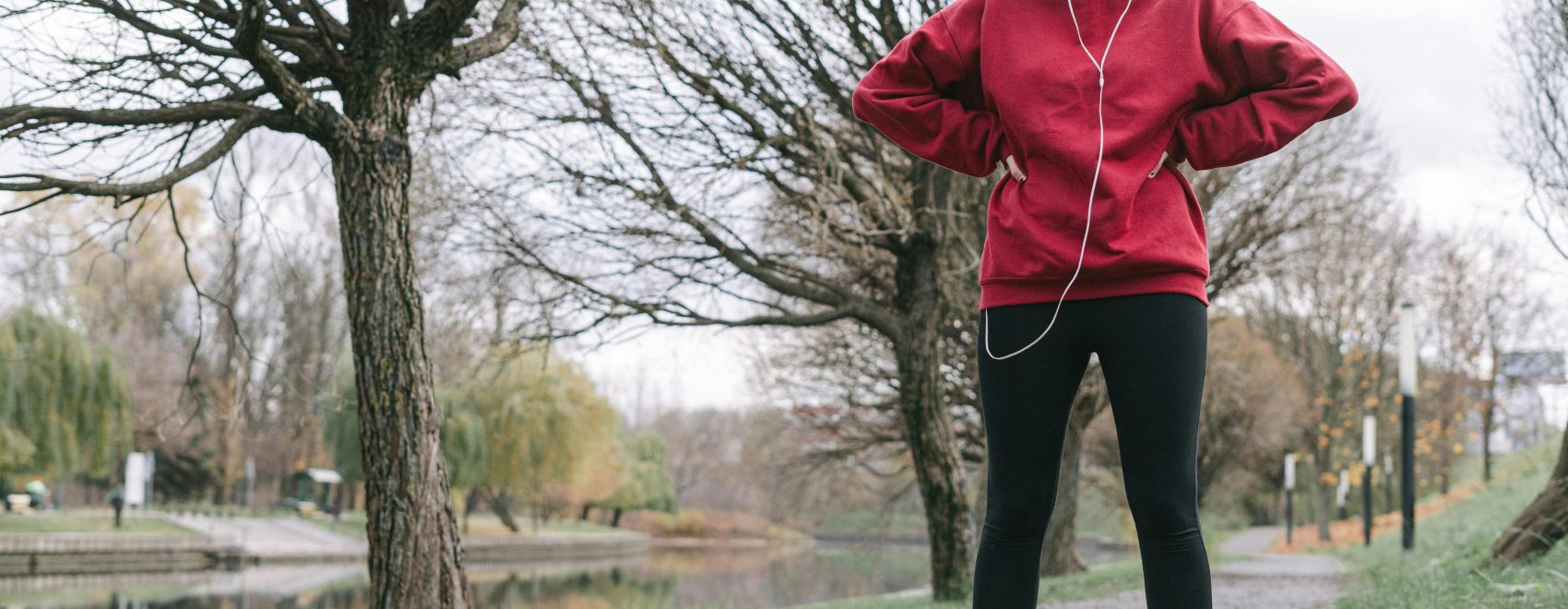
Winter can make joint stiffness and aches feel more noticeable, particularly if you have arthritis, an old injury or are moving less than usual. Keeping gently active, staying warm and maintaining your normal routine can help. If joint pain is persistent, worsening, or affecting your everyday activities, an osteopathic assessment can help identify potential contributors and determine whether treatment is appropriate.
Can osteopathy help with winter joint pain?
Osteopathy may help ease winter joint pain by addressing stiffness, restricted movement and musculoskeletal factors that may be contributing to discomfort. Treatment can be tailored to your symptoms and aims to help you move more comfortably, stay active and manage recurring pain alongside appropriate exercise and self-care.
Staying consistent with exercise through winter can be tough, but sports massage at GD Osteopathy Enfield can be a powerful tool for keeping your body moving well and your motivation intact until the weather warms up. When the days are short and the temperature drops, training feels harder, recovery takes longer, and even the most committed routines can start to wobble.
Lots of us find it trickier to lace up our trainers when it’s cold and dark outside, but winter training comes with challenges beyond willpower. Cold muscles are slower to warm up, joints can feel stiffer, and soreness tends to linger for longer. Add busy schedules, less daylight, and a natural dip in motivation, and consistency often suffers at this time of year. The good news is that properly supporting your recovery can make a real difference.
Why winter is harder on your body
In colder weather, blood flow to the muscles is reduced, making them less pliable and more prone to tightness. Warm-ups become more important, but even then, muscles often feel heavy or restricted during the first part of a session. This increases the risk of small strains and overuse injuries.
There is also the issue of general movement. Many people are less active outside of training during winter, spending more time sitting at desks or indoors. This lack of everyday movement can leave hips, calves, and lower backs feeling tight, especially when combined with regular workouts.
Can osteopathy help with winter joint pain?
Osteopathy may help if winter joint pain is linked to joint stiffness, muscle tension or reduced movement. Treatment is tailored to the individual and may include gentle mobilisation, soft-tissue techniques, advice, and exercises.
How sports massage supports winter training
Sports massage works by targeting the muscles and soft tissues that are under the most strain during exercise. In winter, its benefits can be even more noticeable.
One of the biggest advantages is improved recovery. Massage helps reduce muscle soreness by encouraging circulation and easing tension. That means less stiffness the day after a run or workout, and a better chance of sticking to your plan rather than skipping sessions because your legs feel heavy.
Sports massage can also play a preventative role. Tight muscles often alter the way you move, even subtly, which can increase your risk of injury over time. Regular treatment helps identify problem areas early, before they become issues that stop training altogether.
Cold weather also tends to shorten muscles, particularly the calves, hamstrings, and hip flexors. Massage helps maintain range of motion, making movement feel smoother and more comfortable even when the temperature drops.
What can I do to ease winter joint pain?
Keeping your joints moving, staying active and avoiding long periods of inactivity can help ease winter joint pain. Gentle exercise, appropriate stretching, staying warm and allowing your body enough time to recover can also help you maintain comfortable movement through the colder months.
When should I see someone about winter joint pain?
Consider seeing a healthcare professional if joint pain is persistent, keeps returning, affects your sleep or daily activities, or prevents you from exercising normally. An assessment can help identify what may be contributing to your symptoms and whether treatment, such as osteopathy, physiotherapy, or sports massage, is appropriate.
Recovery helps motivation too
Staying active through winter is as much about mindset as it is about physical ability. When your body feels sore or restricted, you will struggle with motivation. When you feel looser, lighter, and more comfortable, it is far easier to lace up your trainers and head out the door.
Experts agree that adapting your approach is key to staying active in colder months, including prioritising recovery and listening to your body.
Booking regular sports massage sessions can also provide a sense of structure. Knowing you have recovery booked in can make training feel more manageable and intentional, rather than something you are simply pushing through.
Who benefits most from sports massage in winter?
You do not need to be an elite athlete to benefit. Sports massage is ideal for runners building mileage, gym-goers restarting their routines in January, and anyone who exercises alongside a sedentary job. It is also helpful for people who notice the same aches and pains returning every winter, such as tight calves, sore lower backs, or stiff hips.
Making it part of your winter plan
For most people, a sports massage every two to four weeks during winter is enough to support recovery and keep issues under control. Combined with sensible training, proper warm-ups, and adequate rest, it becomes part of a smarter approach to fitness rather than a last resort.
Winter is not the time to push harder just to prove commitment. It is the time to train wisely, support your body, and build habits that last beyond January.
Is winter joint pain better treated with osteopathy, exercise or rest?
For most everyday stiffness, gentle movement is a useful starting point. If pain persists, keeps returning or is limiting your movement, a professional assessment may be more appropriate than simply resting and waiting for it to settle.
- Gentle movement: useful for everyday stiffness and maintaining mobility.
- Osteopathy: worth considering when pain or restricted movement persists or affects daily life.
- Medical assessment: appropriate when symptoms are concerning, worsening or accompanied by significant swelling, warmth, weakness or other changes.
Frequently Asked Questions
Can cold weather make joint pain worse?
Some people notice more stiffness or discomfort during colder weather, although the exact relationship between weather and joint pain is not fully understood. Reduced activity during winter may also contribute to stiffness. If your pain is persistent or affecting daily activities, it is worth getting individual advice.
Is winter joint pain a sign of arthritis?
Not necessarily. Cold weather can make existing stiffness or aches more noticeable, but joint pain can have many causes. Arthritis is one possibility, particularly if you have ongoing stiffness or swelling, but an assessment is needed to understand what may be contributing to your symptoms.
Can osteopathy help with arthritis-related joint pain?
Osteopathy may help some people manage symptoms associated with musculoskeletal problems, including stiffness and restricted movement. Treatment should be adapted to your individual circumstances, particularly if you have a longstanding condition or other health concerns.
Should I see an osteopath for winter joint pain?
Consider an assessment if joint pain is persistent, worsening or interfering with everyday activities such as walking, working or sleeping. An osteopath can assess your symptoms and discuss whether osteopathic treatment is appropriate for you.
When should I seek medical help for joint pain?
Seek appropriate medical advice if you develop significant swelling, redness or warmth around a joint, marked weakness or restricted movement, or symptoms that are persistent or worsening. These symptoms should not simply be assumed to be caused by cold weather.
This article has been written by Glen Daniels, principal osteopath and founder of GD Osteopathy, based on his experience working with patients in Enfield who are experiencing musculoskeletal pain and stiffness.
Train smarter this winter
Consistency comes from looking after your body so it can keep showing up for you. By making sports massage part of your winter workout plan, you give yourself the best chance of staying active, injury-free, and motivated right through to spring. If you want to support your training and recovery this winter, book a sports massage at GD Osteopathy Enfield.
