
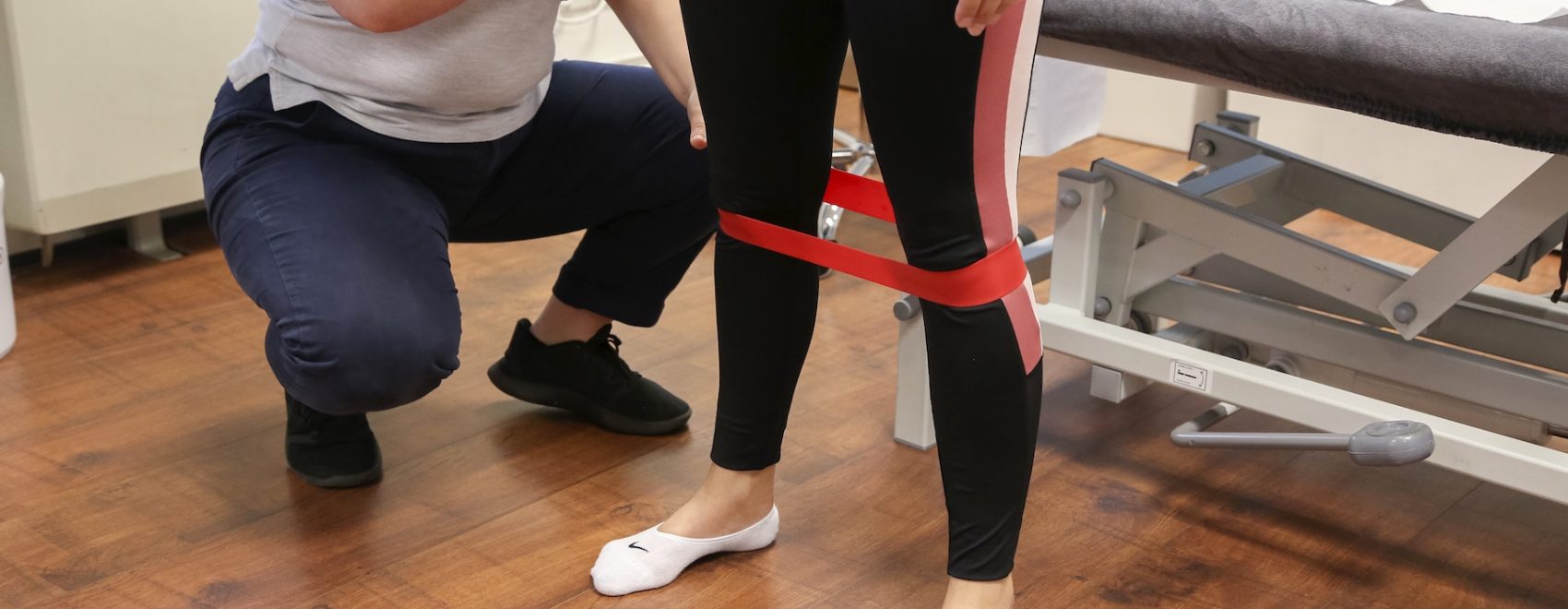
Physiotherapy can help treat a wide range of muscle, joint, tendon, and movement-related problems. At GD Osteopathy in Enfield, physiotherapy is commonly used to help people reduce pain, improve mobility, recover after injury, and return to normal daily activities, exercise, or sport safely.
Is physiotherapy suitable for sports injuries?
Many patients seek physiotherapy for back pain, sports injuries, neck tension, knee pain, shoulder problems, or postural issues caused by desk work. Treatment plans are tailored to the individual and may include hands-on therapy, rehabilitation exercises, movement advice, and strength work.
When should you see a physiotherapist?
If you are unsure whether physiotherapy is right for your symptoms, our team can help guide you towards the most appropriate treatment approach.
Can physiotherapy help long-term pain?
Physiotherapy is one of the most versatile and effective forms of treatment for pain, injury, and mobility issues. From everyday aches and workplace strain to post-surgical rehab and sports injuries, physiotherapists play a crucial role in helping people recover, move better, and prevent future problems.
What Problems Can Physiotherapy Help Treat?
At GD Osteopathy & Sports Massage in Enfield, North London, we’re proud to now offer expert physiotherapy services to support your full recovery journey. In this article, we’ll explore 10 of the most common conditions physiotherapy can treat, and how it can benefit your body, long-term health, and overall well-being.
1. Back Pain
Back pain is one of the most common reasons people seek out physiotherapy, and for good reason. Whether it’s caused by poor posture, heavy lifting, a slipped disc, or prolonged sitting at a desk, back pain can seriously affect your daily life.
At GD Osteopathy & Sports Massage in Enfield, North London, our physiotherapists use a combination of hands-on treatment, personalised exercises, and posture correction to reduce back pain and improve mobility. We focus on identifying the root cause of your discomfort to ensure long-term relief, not just a quick fix.
If you’re struggling with lower back pain or stiffness that won’t go away, a professional physiotherapy assessment in Enfield could make a real difference to your recovery.
2. Neck Pain & Whiplash
Neck pain is often linked to posture, stress, desk work, or reduced mobility. Physiotherapy can help ease tension, improve movement, and reduce recurring flare-ups.
Neck pain, whether from poor desk ergonomics or a road traffic accident (such as whiplash), is a growing issue, especially in modern working environments. Symptoms can range from stiffness and tension to headaches and reduced movement.
Our Enfield physiotherapy clinic provides targeted treatment for neck issues using gentle manual therapy, stretching techniques, and strengthening exercises. For whiplash, we also focus on restoring the natural range of motion and preventing long-term complications.
If you’re noticing tightness, tension, or recurring neck pain, our physiotherapists in North London are here to help you regain control and reduce discomfort safely and effectively.
3. Sports Injuries
Physiotherapy can help active adults recover safely from sports injuries while reducing the risk of recurrence. Rehabilitation plans are usually tailored around your sport, training routine, and recovery goals.
Whether you’re a regular gym-goer, a weekend runner, or part of a local sports team in Enfield, sports injuries can strike at any time. Common issues include muscle strains, ligament sprains, tendonitis, and joint instability, all of which can limit performance and delay your return to activity.
At GD Osteopathy & Sports Massage in Enfield, North London, our physiotherapists specialise in sports injury rehabilitation. We develop tailored treatment plans that include manual therapy, targeted strengthening, mobility work, and advice on safe return-to-play protocols. Our goal is not just to treat the injury, but to help prevent future problems through education and movement correction.
If you’ve recently been sidelined by an injury, our Enfield physio clinic can help you recover faster and smarter.
4. Arthritis (Osteoarthritis & Rheumatoid Arthritis)
Arthritis affects millions of people across the UK and is a leading cause of joint pain and stiffness, especially in older adults. While there’s no cure, physiotherapy plays a crucial role in managing symptoms and maintaining mobility.
Our experienced physiotherapists in North London offer arthritis-focused physiotherapy designed to reduce joint pain, improve strength, and help you move more freely. We provide personalised exercise programs that are gentle yet effective, along with joint protection advice to support long-term joint health.
If you’re living with osteoarthritis or rheumatoid arthritis in Enfield and looking for natural, movement-based solutions, physiotherapy at GD Clinic can help you stay active and independent.
5. Post-Surgical Rehabilitation
Recovering from surgery can be a long and frustrating journey, but physiotherapy plays a vital role in speeding up recovery, reducing complications, and helping you regain strength and movement. Whether you’ve had a joint replacement, ACL repair, shoulder surgery, or spinal procedure, the right rehab plan is essential.
At GD Osteopathy & Sports Massage in Enfield, we offer post-operative physiotherapy tailored to your procedure and personal goals. Our team works closely with you to reduce swelling, improve joint mobility, rebuild strength, and guide you safely back to daily activities.
If you’ve recently had surgery and live in Enfield or North London, our physiotherapy team is here to support every stage of your recovery.
6. Sciatica
Sciatica is a painful condition caused by irritation or compression of the sciatic nerve, often resulting in shooting pain, numbness, or weakness down the leg. It’s commonly linked to disc problems, poor posture, or muscle imbalances in the lower back and pelvis.
Our Enfield-based physiotherapists assess the underlying cause of your sciatica and use a combination of manual therapy, nerve gliding exercises, and postural correction techniques to relieve symptoms and restore normal movement.
If you’re dealing with sciatica in North London, early physiotherapy intervention can help you avoid prolonged discomfort and reduce the chance of recurrence.
7. Shoulder Injuries (Frozen Shoulder, Rotator Cuff Issues)
Shoulder pain can make lifting, reaching, sleeping, and exercising uncomfortable. Physiotherapy aims to improve shoulder movement, reduce irritation, and restore strength gradually.
Shoulder pain is a common complaint we see at our Enfield clinic, and it can be incredibly limiting. Conditions like frozen shoulder, rotator cuff injuries, or impingement can make simple tasks like dressing, lifting, or sleeping uncomfortable or even impossible.
At GD Osteopathy & Sports Massage in Enfield, our physiotherapists assess your range of motion, strength, and shoulder mechanics to create a personalised treatment plan. This may include manual therapy, mobility exercises, and strengthening routines to restore function and reduce pain.
If you’re struggling with a stiff or painful shoulder, physiotherapy in North London could be the key to regaining movement and avoiding long-term complications.
8. Knee Pain (Patellofemoral Syndrome, Meniscus Injuries)
Physiotherapy is often helpful for knee pain linked to running, gym training, arthritis, or everyday wear and tear. Treatment focuses on improving strength, stability, and movement patterns.
Knee pain affects people of all ages, from active runners to those with wear-and-tear conditions like osteoarthritis. Whether it’s caused by poor tracking of the kneecap (patellofemoral pain syndrome), a cartilage tear, or muscle imbalances, knee pain can interfere with both exercise and daily movement.
Our physiotherapists in Enfield are experienced in diagnosing and treating a wide range of knee issues. We focus on improving strength, flexibility, and alignment through tailored rehab exercises, helping you move with confidence and reduce the risk of future injury.
Don’t let persistent knee pain hold you back, our North London physiotherapy team is here to help you get back on your feet.
9. Tendon Injuries (Achilles Tendinopathy, Tennis Elbow)
Tendon injuries are often the result of overuse or repetitive strain, common in both athletes and desk-based professionals. Conditions like Achilles tendinopathy, tennis elbow, or golfer’s elbow can cause persistent discomfort and limit your ability to perform daily or sporting activities.
At GD Osteopathy & Sports Massage in Enfield, our physiotherapists are skilled in treating tendon issues through load management, eccentric strengthening exercises, and soft tissue techniques. We’ll guide you through a progressive rehab plan that addresses both the symptoms and the underlying biomechanical factors.
If you’re experiencing nagging tendon pain in North London, physiotherapy can help restore strength and function, and prevent recurrence.
10. Postural Problems & Desk-Related Pain
With more people working at desks for long hours, postural problems have become a leading cause of neck, shoulder, and back pain. Slouching, poor screen setup, and prolonged sitting can lead to muscular imbalances and joint stiffness.
Our Enfield physiotherapy clinic offers posture assessments and corrective exercise programs tailored to your lifestyle. We also provide ergonomic advice and practical strategies to help prevent pain from returning, whether you’re working from home or commuting into central London.
If you’re based in North London and dealing with discomfort linked to your posture or workstation setup, our physiotherapists can help you move more freely and work more comfortably.
Should you be worried about ongoing joint or muscle pain?
Not always. Many common muscle and joint problems improve well with the right combination of movement, rehabilitation, and treatment guidance. However, pain that keeps returning, limits your activity, affects sleep, or stops you from exercising comfortably is usually worth assessing properly.
Physiotherapy can help identify what may be contributing to the issue and create a practical recovery plan tailored to your lifestyle and goals.
What conditions can physiotherapy help with?
Physiotherapy is a highly effective, evidence-based approach for managing a wide range of conditions, from sports injuries and post-surgical recovery to chronic pain and desk-related tension. At GD Osteopathy & Sports Massage in Enfield, our experienced physiotherapists are here to help you move better, feel better, and live pain-free.
Whether you’re recovering from an injury or simply looking to improve your physical wellbeing, personalised physiotherapy treatment can make a real difference to your everyday life.
Book Your Physiotherapy Assessment in Enfield Today
If you’re experiencing any of the conditions mentioned above, or you’re unsure what’s causing your pain, we’d love to help. Our friendly team of physiotherapists in Enfield, North London offers tailored, one-to-one physiotherapy in a supportive and professional setting.
Book your physiotherapy consultation today and take the first step toward lasting relief and better movement.
Get in touch
At GD Osteopathy in Enfield, physiotherapy treatment is tailored around your symptoms, lifestyle, and recovery goals. Whether you are dealing with everyday back pain, recovering from a sports injury, or trying to stay active long term, the focus is on practical treatment and clear guidance that helps you move more comfortably and confidently.
Physiotherapy Treatment FAQs
Yes, physiotherapy can often help long-term pain by improving strength, mobility, movement habits, and confidence in using the affected area again. Treatment usually focuses on gradual improvement rather than quick fixes and can be adapted around work, exercise, and daily activity levels.
If pain, stiffness, weakness, or reduced movement is affecting your daily life, exercise, sleep, or work, physiotherapy may help. Many people seek treatment when symptoms keep returning or are not improving on their own after a few weeks.
Physiotherapy should not feel aggressive or overwhelming. Some exercises or treatment techniques may create mild temporary discomfort, especially when recovering from injury, but treatment is usually adapted to your comfort level and explained clearly throughout.
Yes. Physiotherapy is commonly used for running injuries, gym-related pain, football injuries, tendon problems, and muscle strains. Treatment often combines hands-on therapy with rehabilitation exercises to help you return to training safely.
This depends on the type of problem, how long symptoms have been present, and your goals. Some patients improve within a few sessions, while longer-standing or recurring issues may require a more gradual rehabilitation plan.
Your first appointment usually includes a discussion about your symptoms, medical history, movement assessment, and treatment goals. Treatment may include hands-on therapy, exercise advice, rehabilitation planning, and practical guidance to support recovery between sessions.

[…] treatment helps restore balanced function across the whole body. You can read more about how physiotherapy treats common conditions and how different approaches work […]