
Key Takeaways
- Cranial osteopathy is a gentle treatment that some parents choose when they want a calm, hands-on approach for their baby.
- Parents may consider an assessment if their baby seems unsettled, has feeding difficulties or prefers turning their head to one side.
- Many families seek reassurance after birth, particularly following a long, difficult or assisted delivery.
- Every baby receives an individual assessment, with treatment tailored to their needs and comfort.
- Parents stay with their baby throughout the appointment, and many babies sleep, feed or relax during treatment.
- Cranial osteopathy complements, not replaces, medical care, and any concerns about your baby’s health should always be discussed with your GP, midwife or health visitor.
Why do parents bring their babies for cranial osteopathy?
If your baby seems unsettled, struggles with feeding, prefers turning their head to one side, or you’ve had a difficult birth experience, you may wonder whether additional support could help. Cranial osteopathy is a gentle, hands-on treatment that many parents choose when they want reassurance and a calm, supportive approach to their baby’s care.
At GD Osteopathy in Enfield, we understand that every baby is different. Some settle easily, while others may seem uncomfortable or difficult to soothe during their early weeks and months. Although many of these behaviours are part of normal development, some parents choose to explore cranial osteopathy as part of their baby’s overall care.
This article explains some of the reasons parents may consider bringing their baby for an assessment and what to expect.
Your baby seems unsettled or difficult to soothe
Many babies have periods of fussiness, particularly during the first few months. However, if your baby seems unusually unsettled, cries frequently or is difficult to comfort despite feeding, changing and cuddling, it is natural to look for reassurance.
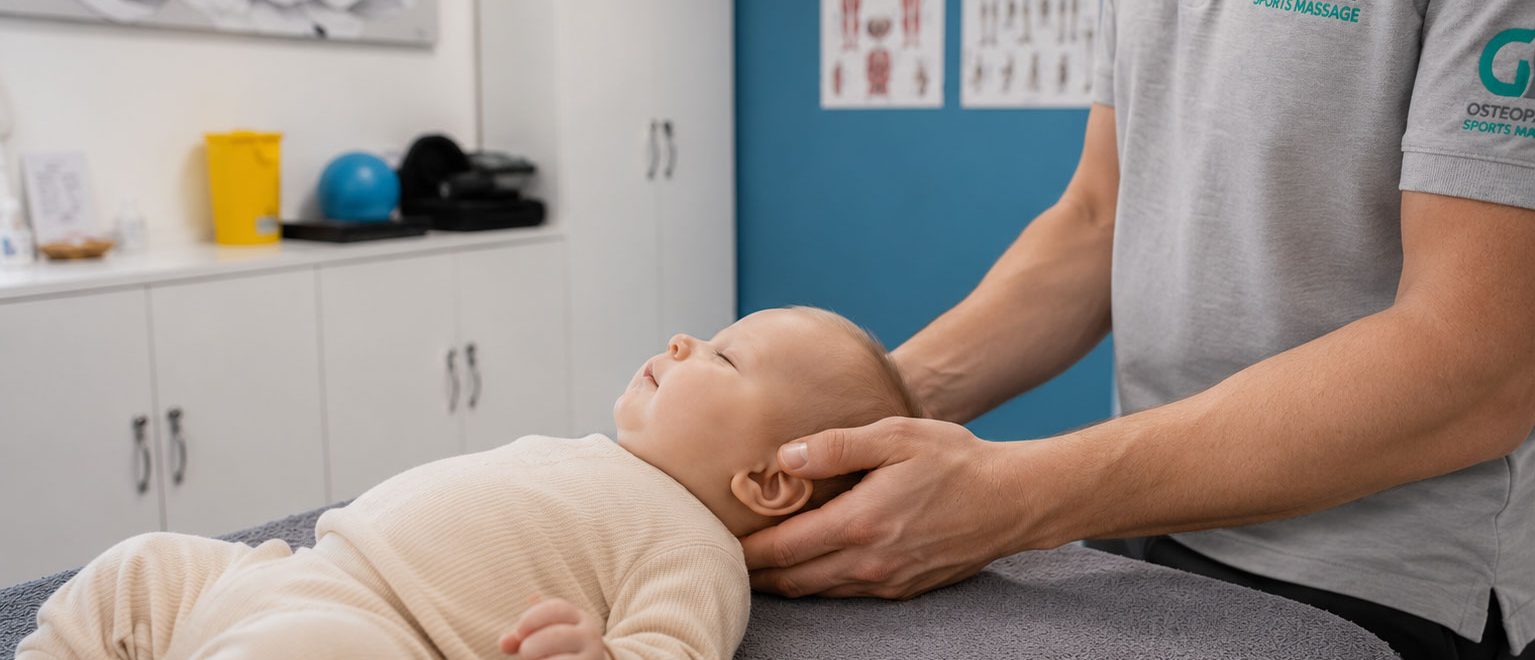
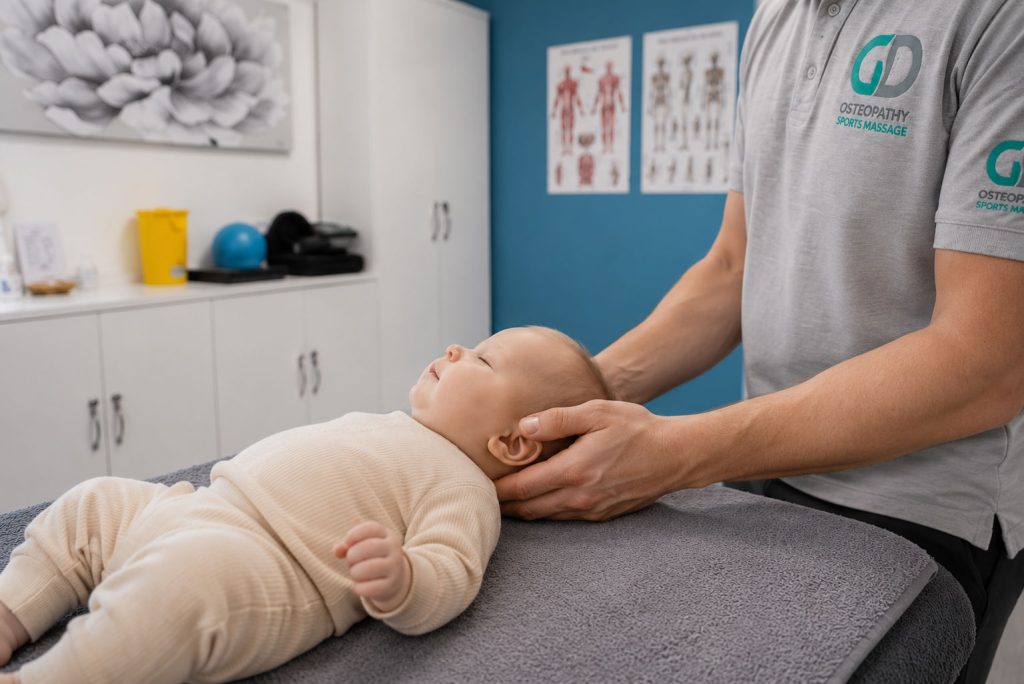
Cranial osteopathy uses very gentle, hands-on techniques designed to assess and encourage normal movement throughout the baby’s body. Treatment is always tailored to your baby, with plenty of time taken to ensure they remain calm and comfortable.
Many parents appreciate having the opportunity to discuss their concerns with an experienced practitioner who can assess their baby and explain their findings in plain English.
Feeding feels uncomfortable or challenging
Feeding should gradually become more comfortable for both baby and parent, but this isn’t always the case. Some babies appear uncomfortable during feeds, struggle to latch effectively or seem to favour one side over the other.
While feeding difficulties can have many different causes, some parents seek cranial osteopathy as part of a wider approach alongside advice from midwives, health visitors or infant feeding specialists where appropriate.
During your appointment, your osteopath will take time to understand your baby’s feeding history before carrying out a gentle assessment. The aim is to understand how your baby is moving and whether cranial osteopathy may be appropriate as part of their care.
Your baby prefers turning their head one way
Some babies naturally develop a preference for looking to one side. You may notice this when they are sleeping, feeding or lying on their play mat.
Sometimes this preference settles naturally as babies grow stronger and become more active. If it persists, parents often seek advice to understand why it is happening and whether anything can help.
Cranial osteopathy involves a gentle assessment of your baby’s neck, head and body movement. Where appropriate, treatment aims to encourage comfortable, balanced movement while providing parents with practical advice to support their baby’s development at home.
You want reassurance after a difficult or assisted birth
Every birth is unique. Whether your baby arrived following a long labour, a rapid delivery, forceps, ventouse (vacuum-assisted delivery) or caesarean section, many parents simply want reassurance that everything is progressing well.
Choosing cranial osteopathy doesn’t necessarily mean something is wrong. Often, parents want an experienced practitioner to assess how their baby is moving and answer any questions they may have.
Appointments are unhurried and designed to give parents time to discuss both the birth and any concerns they’ve noticed since bringing their baby home.
You are looking for a gentle, calm treatment approach
One of the reasons many parents choose cranial osteopathy is because of its gentle nature.
Treatment uses light, carefully applied hands-on techniques and is carried out at your baby’s pace. Babies often sleep, feed or relax during appointments, and parents remain with their child throughout the session.
Our focus is always on creating a calm, reassuring environment where both baby and parent feel comfortable.
Is cranial osteopathy safe for babies?
Cranial osteopathy is a gentle form of osteopathic treatment carried out by qualified practitioners who have undertaken additional training in treating babies and children.
Before beginning any treatment, your osteopath will take a full medical history, discuss your concerns and carry out an appropriate assessment. If they feel your baby would benefit from another healthcare professional’s input, they will explain this and advise you accordingly.
When should you seek medical advice?
While many babies experience periods of fussiness or feeding challenges, some symptoms require prompt medical assessment.
You should contact your GP, midwife, health visitor or seek urgent medical advice if your baby:
- Has a high temperature or fever.
- Is difficult to wake or unusually floppy.
- Refuses several feeds in a row.
- Has persistent vomiting or signs of dehydration.
- Has difficulty breathing.
- Shows any sudden or concerning changes in behaviour.
Cranial osteopathy is not a replacement for medical care, and your baby’s health will always come first.
Frequently Asked Questions
Babies can be assessed from the newborn period onwards. Many parents choose to attend during the first few weeks, although older babies can also be seen depending on their individual needs.
No. Cranial osteopathy uses extremely gentle techniques. Treatment is adapted to your baby’s comfort, and appointments are designed to be calm and relaxed.
No referral is usually needed. Parents can contact the clinic directly if they would like an assessment.
Your first appointment allows plenty of time to discuss your baby’s birth, medical history, feeding and development before carrying out a gentle assessment and, where appropriate, treatment.
If you’re unsure, the best first step is simply to ask. Your osteopath can discuss your concerns, explain what an assessment involves and help you decide whether treatment is appropriate for your baby.
Looking for reassurance about your baby’s wellbeing?
If you’re wondering whether cranial osteopathy may be suitable for your baby, our experienced team is happy to answer your questions. Learn more about our cranial osteopathy service and enquire with our team to discuss whether an assessment would be appropriate for your family.
