
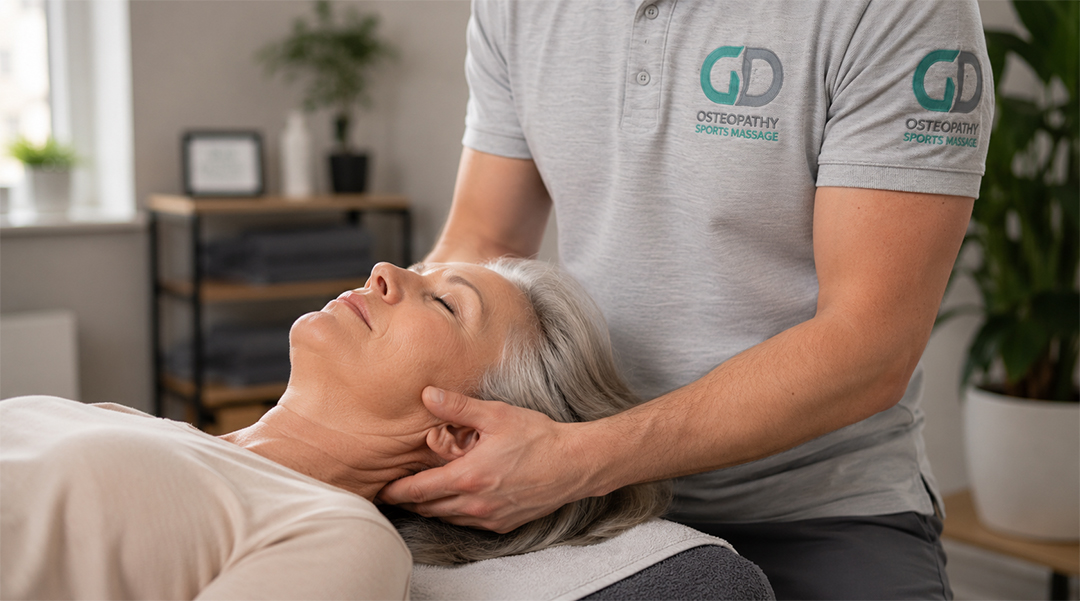
Key Takeaways
- Yes, osteopathy can often help reduce stiffness, improve movement and ease pain linked to arthritis in the neck, back and knees.
- Osteopathy cannot cure arthritis or reverse wear and tear, but many people notice everyday activities become easier and more comfortable.
- Treatment is adapted carefully for older adults and can safely work alongside GP care, medication, injections or surgery where needed.
- Many patients at our Enfield clinic seek osteopathic treatment to help them walk more comfortably, turn their head more easily or stay active with less discomfort.
- A registered osteopath will always check your medical history and screen for anything needing GP or specialist assessment before treatment begins.
Understanding Arthritis in the Neck, Back and Knees
If arthritis is making it harder to walk, garden, drive or get comfortable at night, you are not alone. Arthritis becomes more common with age, particularly in the neck, lower back and knees, and many people worry they simply have to “put up with it”.
In simple terms, arthritis refers to changes within a joint that can lead to stiffness, pain and reduced movement. Osteoarthritis – the most common type – develops gradually over time and is especially common in weight-bearing areas such as the knees and spine.
Some people also live with inflammatory forms of arthritis, such as rheumatoid arthritis. These are mainly managed through specialist medical care, but osteopathy may still help support comfort and mobility alongside that treatment.
Symptoms often affect day-to-day life in practical ways:
- neck pain when turning to reverse the car
- back stiffness first thing in the morning
- difficulty standing for long periods
- knee pain walking upstairs
- discomfort getting up from the sofa
- reduced confidence walking longer distances
Many people assume this is “just ageing”, but that is not always the case. While arthritis changes cannot be reversed, improving movement, reducing stiffness and staying active are realistic goals.
How Osteopathy Can Help Arthritis Sufferers
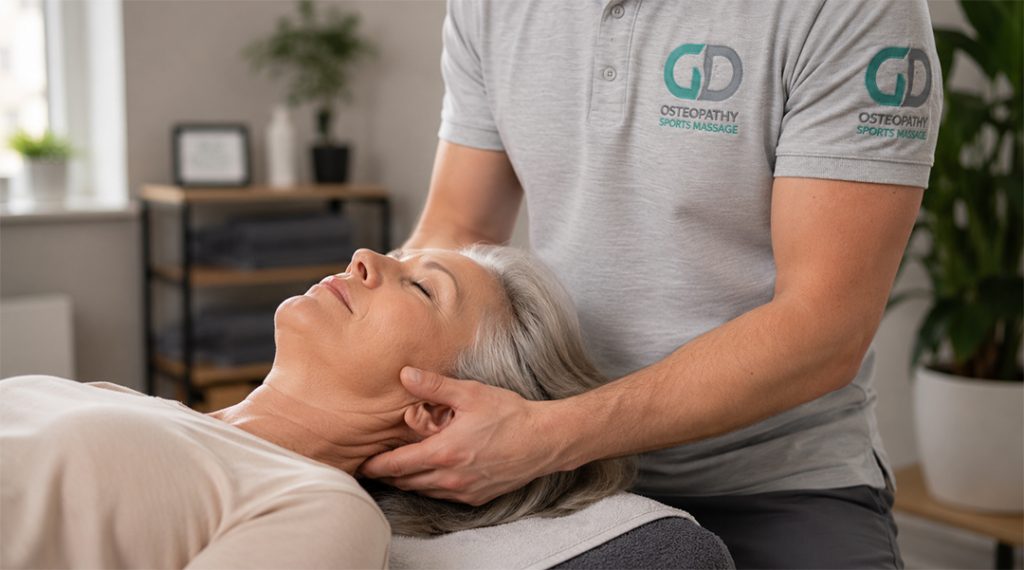
Osteopathy is a hands-on treatment focused on helping the body move more comfortably. At GD Osteopathy in Enfield, treatment is tailored to the individual and aims to reduce strain around painful joints while improving overall movement and function.
For arthritis sufferers, osteopathic treatment often focuses on:
- reducing muscle tension around stiff joints
- improving joint mobility
- helping movement feel easier and less restricted
- improving posture and movement patterns
- supporting confidence with walking and daily activity
Treatment techniques are usually gentle and adapted carefully for age, pain levels and medical history. Depending on the person, treatment may include:
- gentle joint mobilisation
- soft tissue massage
- stretching
- movement advice
- simple exercises
- postural guidance
Some people worry osteopathy will involve forceful “cracking”. For arthritis patients, treatment is usually much gentler and always adjusted to comfort levels.
Importantly, osteopathy is not presented as a cure for arthritis. The aim is to help people stay mobile, active and independent for as long as possible.
Many patients combine osteopathy with:
- GP care
- medication
- exercise
- weight management
- physiotherapy
- injections or surgical care where appropriate
Osteopathy for Neck Arthritis and Chronic Neck Pain
Arthritis in the neck is extremely common after 60 and can make everyday movement frustrating. Many people notice stiffness turning their head while driving, reading or looking over their shoulder.
Age-related changes in the neck joints can lead to:
- stiffness
- muscle tightness
- headaches linked to neck tension
- reduced range of movement
- discomfort sleeping
At our Enfield clinic, osteopathic treatment for neck arthritis is usually gentle and focused on improving comfort and movement rather than forcing mobility.
Treatment may include:
- gentle neck mobilisation
- soft tissue work around the neck and shoulders
- stretching tight muscles
- posture advice
- simple mobility exercises
Many people find this helps them:
- turn their head more comfortably
- reduce tension headaches
- feel less stiff during the day
- move with more confidence
A good osteopath will always screen for warning signs before treatment. If symptoms suggest something more serious, such as significant nerve irritation, severe weakness, recent trauma or unexplained symptoms, referral back to a GP or specialist may be recommended.
Osteopathy for Back Arthritis and Lower Back Pain
Lower back stiffness and arthritic changes are one of the most common reasons older adults seek osteopathic care.
People often describe:
- stiffness in the morning
- pain after standing or walking
- difficulty gardening or bending
- discomfort getting dressed
- feeling “locked up” after sitting
Osteopathic treatment aims to help the back move more comfortably while reducing tension around stiff joints.
Treatment may focus not only on the lower back itself, but also the:
- hips
- pelvis
- mid-back
- surrounding muscles
This can help spread load more evenly through the body and reduce strain on sensitive areas.
Many people notice improvements such as:
- easier walking
- standing more comfortably
- less stiffness after rest
- improved confidence with daily movement
Realistic expectations are important. Arthritis-related back pain may not disappear completely, but improving function and making everyday activities easier can have a significant impact on quality of life.
Osteopathy for Knee Osteoarthritis and Joint Pain
Knee arthritis can gradually make walking, stairs and daily movement feel tiring and unpredictable. Some people also lose confidence because the knee feels stiff, weak or unstable.
Osteopathic treatment for knee arthritis often includes:
- gentle knee mobilisation
- soft tissue treatment for tight thigh and calf muscles
- exercises to improve strength and control
- advice on walking and movement patterns
Treatment may also look beyond the knee itself. Improving movement through the hips, ankles and feet can sometimes reduce pressure through the knee joint when walking.
The aim is usually to help people:
- walk more comfortably
- feel steadier on stairs
- stay active longer
- manage flare-ups better
- maintain independence
For some people, osteopathy may help delay the need for surgery. For others, it can help keep them moving comfortably while preparing for procedures such as knee replacement surgery.
What an Osteopathy Appointment Is Like for Arthritis Patients
Many older adults feel nervous before their first appointment, especially if they are worried treatment might be painful or too forceful.
Your first session at GD Osteopathy would usually begin with a detailed discussion about:
- your symptoms
- medical history
- medications
- scans or previous surgery
- daily activity levels
- what you are hoping to improve
The examination is gentle and adapted to your comfort levels. This may include:
- posture assessment
- walking assessment
- gentle movement testing
- strength checks
- neurological screening where needed
Your osteopath should then explain everything clearly in plain English and agree realistic treatment goals with you.
Treatment is designed to feel controlled and comfortable. You can always ask questions, pause treatment or decline any technique.
You may also receive advice on:
- pacing activities
- getting in and out of chairs more comfortably
- simple home exercises
- walking aids or footwear
- managing flare-ups
Safety, Limits and When Osteopathy Is Not Enough
Many people ask whether osteopathy is safe for arthritis, osteoporosis or older age groups.
Registered osteopaths are trained to adapt treatment appropriately and avoid techniques that may place unnecessary stress on vulnerable joints or bones.
However, osteopathy does have limits.
It cannot:
- reverse cartilage loss
- remove bone spurs
- cure arthritis
- replace specialist medical care
Urgent medical assessment is important if symptoms include:
- severe or worsening weakness
- loss of bladder or bowel control
- unexplained weight loss
- fever
- severe night pain
- sudden significant swelling
- rapidly worsening mobility
Osteopathy works best as part of a wider management plan that may also include:
- medical care
- exercise
- physiotherapy
- medication
- weight management
- injections
- surgery where appropriate
When Should You Seek Help for Arthritis Pain?
You do not need to wait until symptoms become severe before seeking advice.
It may be worth speaking to a healthcare professional if arthritis pain or stiffness is:
- affecting sleep
- limiting walking or exercise
- stopping you gardening or driving comfortably
- making stairs difficult
- reducing confidence moving around
- causing repeated flare-ups
- leading to heavy reliance on painkillers
Early support often makes it easier to stay active and maintain mobility long term.
Living Well with Arthritis Beyond the Treatment Room
Small day-to-day habits can make a big difference to arthritis symptoms.
Many people benefit from regular low-impact movement such as:
- walking
- swimming
- cycling
- tai chi
Strengthening exercises for the legs, hips and core can also help support stiff joints and improve stability.
Other helpful strategies include:
- pacing heavier tasks
- taking regular movement breaks
- managing body weight where appropriate
- staying consistent with exercises
- tracking activities that worsen symptoms
At GD Osteopathy, treatment is usually most effective when combined with manageable long-term habits rather than relying on passive treatment alone.
Frequently Asked Questions
Age-related changes are common, but persistent pain and stiffness are not something you simply have to accept. While osteopathy cannot stop ageing, many people find treatment helps them move more comfortably, stay active and manage symptoms more confidently.
This varies depending on the severity and duration of symptoms. Many people notice improvement within 3–6 sessions over several weeks. Some choose occasional follow-up treatment during flare-ups or periods of increased stiffness alongside home exercises.
Often, yes. Treatment is adapted carefully for people with osteoporosis, joint replacements or previous surgery. It is important to tell your osteopath about your medical history so techniques can be modified appropriately.
In some cases, improving movement, strength and pain levels may help delay surgery. In others, joint replacement remains the best long-term option. Osteopathy can still help people stay active and prepare physically before surgery if needed.
Most people in the UK can book directly with a private osteopath without a GP referral. However, if you have a complex medical history or private health insurance, it is sensible to check whether any referral is required.
Speak to Our Enfield Osteopathy Team About Arthritis Pain
If arthritis pain or stiffness is making everyday movement harder, our team at GD Osteopathy can help you understand what may be contributing to your symptoms and whether osteopathic treatment could support you. We focus on practical, tailored care designed to help you move more comfortably, stay active and feel more confident day to day. To find out more or discuss whether treatment may be suitable for you, enquire with our team today.
